
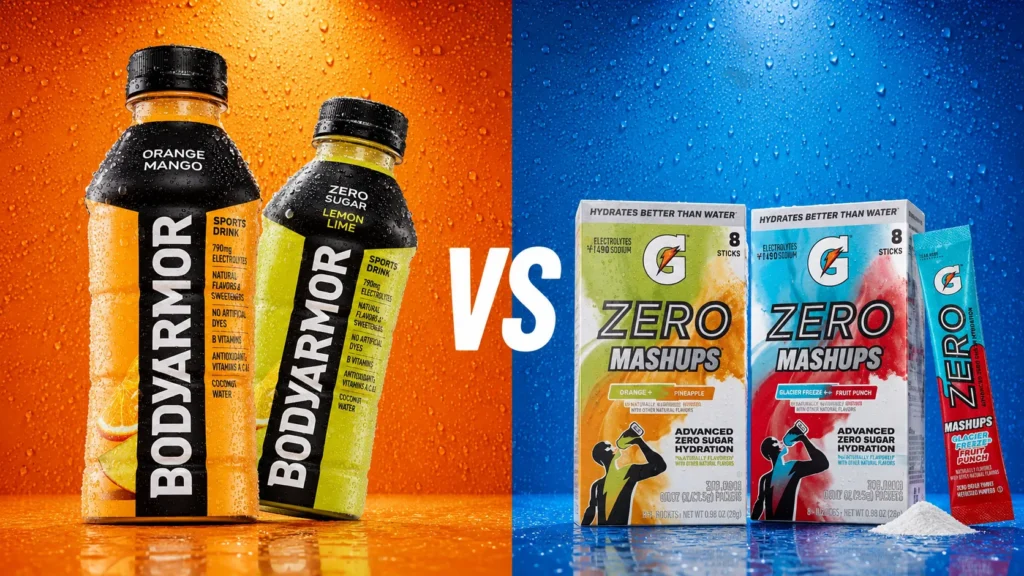
BodyArmor vs Gatorade is not a simple better-or-worse decision. Traditional Gatorade emphasizes sodium and carbohydrates for exercise, while BODYARMOR uses coconut water concentrate and supplies considerably more potassium. Sugar, calories, bottle size, and product line also vary, so comparisons should use equivalent formulations rather than treating every drink sold under either brand as identical.
Table of Contents
But they are built around genuinely different philosophies. Gatorade leads on sodium – the most critical electrolyte for sweat replacement during intense exercise. Body Armor leads on potassium, vitamin content, and ingredient cleanliness. Understanding which matters more for your situation is what this comparison is actually about.
This breakdown covers everything: sodium, potassium, sugar, Body armor vs Gatorade calories, ingredients, taste, low-calorie options, and specific use cases like workouts, illness recovery, and hangover hydration. No vague conclusions – just the actual differences and who wins each category.
Body Armor Review: What You Need to Know
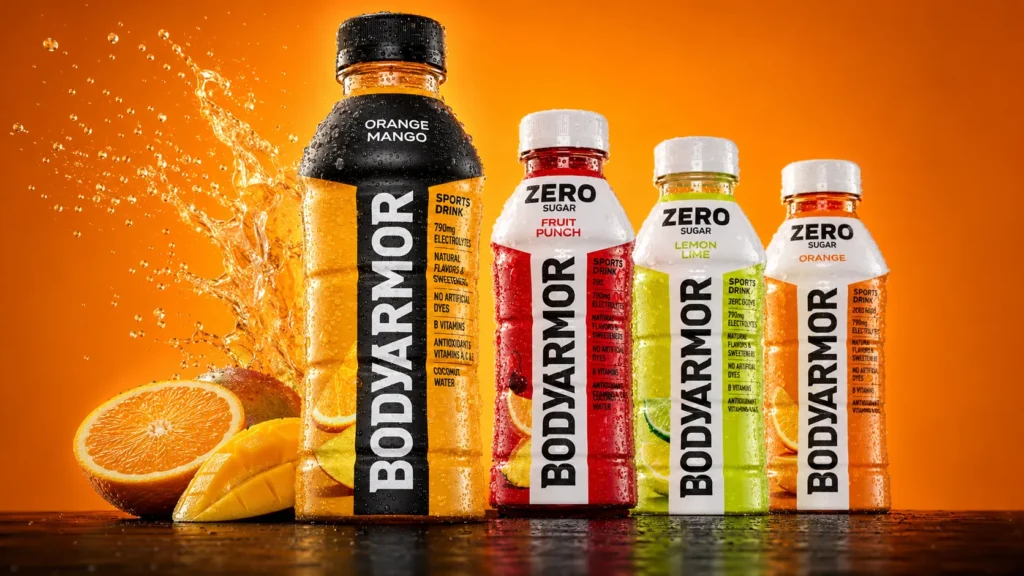
Body Armor launched in 2011, backed initially by Kobe Bryant, and was later acquired by Coca-Cola in 2021. The brand built its identity on three things: coconut water base for natural potassium, no artificial colors or flavors, and a vitamin-packed formula as an alternative to traditional sports drinks.
The standard Body Armor original formula (16 oz bottle) delivers:
- Sodium: 30 mg – unusually low for a sports drink
- Potassium: 680-700 mg – very high, from coconut water concentrate
- Sugar: 21 g
- Calories: approximately 120 per 16 oz bottle
- Vitamins: A, C, E, B3, B5, B6, B12 – a full micronutrient stack
- Artificial dyes: none – natural color sources only
- Artificial sweeteners: none in original formula
Body Armor also makes Lyte (low-calorie, stevia-sweetened), Zero Sugar, Flash I.V. (a higher-sodium ORS-style formula), and EDGE (caffeinated). The standard Body Armor Review reveals a product that tastes noticeably more like fruit juice and less like a traditional sports drink – which is part of its appeal to people who find Gatorade too artificial-tasting.
Gatorade Review: The Original and Still the Biggest
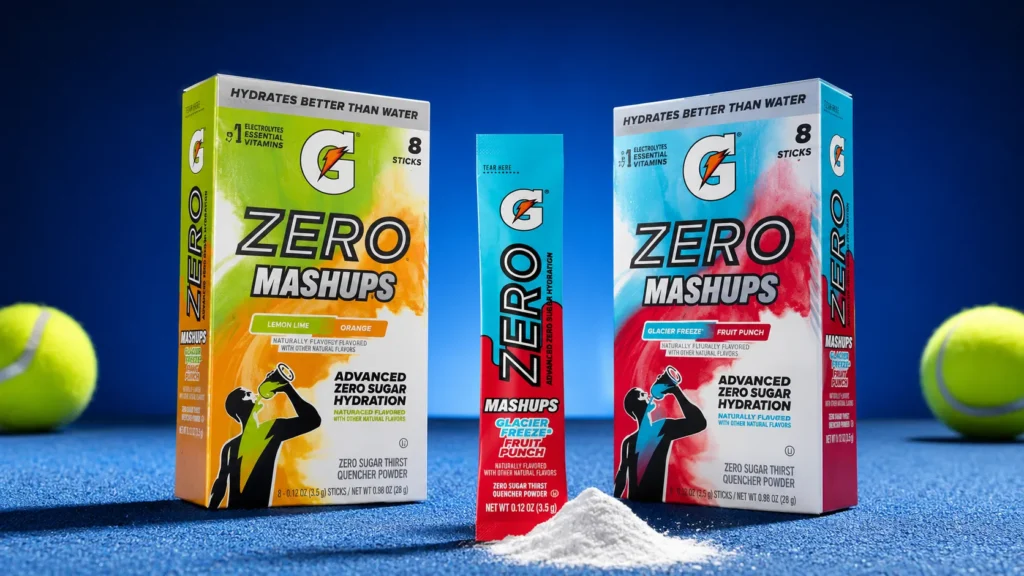
Gatorade was developed in 1965 at the University of Florida for the school’s football team – the Gators, hence the name. Owned by PepsiCo since 2001, it controls roughly 65-70% of the US sports drink market. That dominance is not just brand recognition – the original formula was built around specific sports science research.
The Gatorade Thirst Quencher (20 oz bottle) delivers:
- Sodium: 270 mg – among the highest of mainstream sports drinks
- Potassium: 75 mg – lower than Body Armor by a significant margin
- Sugar: 34 g (20 oz) / 21 g (12 oz)
- Calories: 130 per 20 oz bottle
- Vitamins: none in original formula
- Artificial dyes: yes – Red 40, Yellow 5, Blue 1 depending on flavor
- Artificial sweeteners: none in original formula
Gatorade’s product range is enormous: Thirst Quencher, Zero Sugar (sucralose-sweetened), Gatorlyte (higher sodium, five electrolytes), G2 (lower calorie), Endurance Formula (double sodium), and Gatorade Fit (clean label, natural colors). The classic Gatorade Review shows a product designed specifically around sweat sodium replacement and carbohydrate delivery for athletic performance.
Body Armor vs Gatorade: Head-to-Head Breakdown
Sodium – Not Even Close
Winner: Gatorade
| Brand Comparison | Value |
|---|---|
| Gatorade | 270 mg sodium per 20 oz |
| Body Armor | 30 mg per 16 oz |
| Comparison | Gatorade delivers 9x more sodium per serving – the most important electrolyte for sweat replacement. |
| Note | For exercise over 60 minutes in heat, this gap is significant. |
Sodium is the primary electrolyte lost in sweat – research consistently shows athletes lose far more sodium than potassium per liter of sweat. Gatorade’s higher sodium drives water retention and actually keeps you hydrated for longer post-exercise. Body Armor’s 30 mg of sodium is so low that it provides essentially no meaningful sodium replacement for anyone exercising intensely.
Sports dietitians recommend 110-220 mg of sodium per 8 oz for active individuals – Body Armor’s original formula falls well below that threshold. If you are sweating seriously, Body armor vs Gatorade for hydration in the sodium category is not a close competition.
Potassium – By a Large Margin
Winner: Body Armor
| Brand Comparison | Value |
|---|---|
| Body Armor | 680-700 mg potassium |
| Gatorade | 75 mg potassium |
| Comparison | Body Armor delivers over 9x more potassium per serving from its coconut water base. |
| Note | Potassium supports muscle function and fluid balance, and most Americans are deficient. |
Potassium is genuinely important – the recommended daily intake is 4,700 mg and the average American only gets about 2,800 mg. Body Armor’s coconut water base delivers meaningful potassium per bottle. However, during exercise, you lose far more sodium than potassium through sweat. The potassium advantage matters more for recovery and general wellness than for mid-workout electrolyte replacement.
Ingredients and Vitamin Content
Winner: Body Armor
| Brand Comparison | Value |
|---|---|
| Body Armor | no artificial dyes, natural flavors, vitamins A, C, E, B3, B5, B6, B12 |
| Gatorade (original) | artificial dyes in most flavors, no vitamins, artificial colors |
| Note | Gatorade Fit and newer lines use natural colors – the original is the comparison point. |
Body Armor’s clean label is a genuine differentiator. No FD&C artificial dyes means no Red 40, Yellow 5, or Blue 1 – ingredients that have faced scrutiny for potential behavioral effects in children, though the evidence in adults is less compelling. The vitamin stack in Body Armor (A, C, E, B-complex) adds nutritional value that Gatorade’s original formula simply does not include.
If ingredient cleanliness is your priority for daily hydration beyond just workouts, our article on what can I drink during a fast covers which electrolyte products are cleanest across the full hydration category.
Body Armor vs Gatorade Calories
Winner: Tie (context-dependent)
| Brand Comparison | Value |
|---|---|
| Body Armor Original (16 oz) | approximately 120 calories | 21 g sugar |
| Gatorade (20 oz) | approximately 130 calories | 34 g sugar |
| Comparison | Per ounce: Body Armor has slightly fewer calories and less sugar. |
| Note | Both offer low-calorie alternatives. |
Body armor vs Gatorade calories is closer than most people expect. Body Armor has slightly less sugar per serving in the original format, but both drinks derive most of their calories from added sugar. Neither qualifies as a low-calorie sports drink in their standard form.
For the true low-calorie comparison: Body Armor Lyte sits at about 20 calories per serving using stevia. Gatorade G2 has about 30 calories, while Gatorade Zero has essentially 0. All are legitimate low-calorie sports drink options – the right pick depends on whether you prefer stevia (Body Armor Lyte) or sucralose (Gatorade Zero).
Athletic Performance and Sweat Replacement
Winner: Gatorade
| Brand Comparison | Value |
|---|---|
| Gatorade | Gatorade’s sodium-to-carbohydrate ratio is specifically designed for exercise performance. |
| Body Armor | Body Armor’s low sodium makes it less effective for replacing what sweat removes during intense training. |
| Exception | Body Armor Flash I.V. (530 mg sodium) is an exception – it is closer to Gatorade territory. |
This is the core performance distinction in Body armor vs Gatorade for hydration during actual exercise. The Gatorade formula is built on decades of sports science research showing that sodium and carbohydrates together drive faster fluid absorption and retention during exercise. Body Armor’s low sodium means it functions more like a vitamin-enhanced water during workouts than a true athletic electrolyte replacement.
For exercise under 60 minutes at moderate intensity, the sodium gap matters less. For anything longer, hotter, or harder – particularly endurance training, team sports, or outdoor labor – Gatorade’s sodium advantage produces meaningfully better hydration outcomes.
Taste
Winner: Body Armor
| Brand Comparison | Value |
|---|---|
| Body Armor | Body Armor tastes closer to fruit juice – sweeter, lighter, more natural |
| Gatorade | Gatorade has a more distinctive ‘sports drink’ taste with a slight artificial edge in many flavors |
| Consumer Preference | Consumer preference surveys consistently rate Body Armor higher for taste among casual users. |
Taste is subjective but the pattern is consistent: people who dislike the artificial aftertaste of classic Gatorade prefer Body Armor. People who associate the classic Gatorade flavor with performance and hydration prefer it. Body Armor’s natural flavoring and coconut water base create a genuinely more fruit-forward flavor profile that most people find more pleasant in casual drinking situations.
Body Armor vs Gatorade for Hangover Recovery
This use case deserves its own section because it comes up constantly – and the winner is not obvious.
Body Armor vs Gatorade for hangover recovery comes down to what your hangover most needs. Hangovers involve dehydration, electrolyte loss, blood sugar disruption, and B vitamin depletion from alcohol metabolism.
Body Armor’s advantage here: the B-vitamin stack (B3, B5, B6, B12) directly addresses the vitamin depletion that alcohol causes. B12 at meaningful levels and B6 – which supports serotonin metabolism and may help with nausea – give Body Armor a recovery edge that Gatorade simply does not offer. The coconut water base provides potassium, which is also disproportionately lost through alcohol’s diuretic effects.
Gatorade’s advantage: sodium. Alcohol’s primary dehydration mechanism is through sodium loss via increased urinary output. Gatorade’s 270 mg of sodium per serving drives faster fluid retention than Body Armor’s 30 mg. If the most pressing hangover symptom is headache from low blood volume, Gatorade’s sodium replaces that loss more efficiently.
Honest take: for hangover recovery, a product like Liquid IV or DripDrop – which combines meaningful sodium with B vitamins – outperforms both. But if you are choosing between the two, Body Armor for a mild hangover where vitamin support matters more. Gatorade for a severe hangover where sodium replacement is the priority.
Our full guide on the best electrolyte drink for hangover nausea covers this in depth with products specifically evaluated for hangover recovery.
Who Should Use Body Armor – and Who Should Use Gatorade
Choose Body Armor if:
You exercise at moderate intensity and want a natural-ingredient alternative to traditional sports drinks. The clean label – no artificial dyes, no artificial flavors, added vitamins – makes it a genuinely better daily choice for people who drink sports drinks casually rather than during intense athletic performance.
You are potassium-deficient or eating a diet low in potassium-rich foods. The 680-700 mg of potassium per bottle makes a meaningful contribution toward the daily 4,700 mg target. Children and people who want a fruit-juice-adjacent taste profile will consistently prefer Body Armor.
You want a low-calorie sports drink in the cleanest form – Body Armor Lyte, with stevia and about 20 calories per serving, avoids both artificial colors and artificial sweeteners while keeping the potassium benefit.
Choose Gatorade if:
You exercise hard, sweat heavily, or train for more than an hour in heat. The sodium content in Gatorade is the most practically important electrolyte for anyone losing significant fluid through sweat. No amount of potassium or vitamins compensates for inadequate sodium during intense athletic effort.
You want Gatorlyte specifically for serious post-workout or illness rehydration. Gatorlyte delivers 490 mg sodium, 350 mg potassium, 105 mg magnesium, and 120 mg calcium – a five-electrolyte formula that outperforms both standard Gatorade and Body Armor for genuine dehydration scenarios.
We compare Gatorlyte’s formula against Liquid IV’s in our Gatorlyte vs Liquid IV head-to-head – it is the Gatorade product that most directly competes with premium electrolyte powders.
You need a zero-sugar option without stevia. Gatorade Zero uses sucralose, which is appropriate for people who cannot have stevia or prefer the classic Gatorade taste profile without the sugar load.
Final Verdict: Body Armor vs Gatorade
Body Armor wins on ingredient quality, taste appeal, potassium content, and vitamin coverage. It is the better choice for casual, moderate-intensity use, for people who care about clean labels, and for recovery scenarios involving B-vitamin depletion like post-drinking or post-illness.
Gatorade wins on sodium delivery, athletic performance under real sweat conditions, and product range versatility. For serious exercise, extended training sessions, or any situation where you are actually sweating heavily, Gatorade’s sodium content makes it the more effective hydration tool.
Body armor vs Gatorade for hydration does not have a single universal answer. It has a context-dependent answer. Know your situation – and pick accordingly. Neither product will hurt you at normal usage. The question is always which one solves the specific hydration problem you actually have right now.
If you want to go further than either: electrolyte powders like LMNT (1,000 mg sodium, zero sugar), Ultima Replenisher (six electrolytes, zero sugar), or DripDrop (ORS-grade absorption) deliver more targeted mineral replacement than any ready-to-drink sports bottle can fit in a consumer-priced format.
For a broader look at how these products compare to premium electrolyte powders, our LMNT vs Liquid IV comparison covers the higher-performance end of the hydration market.
Frequently Asked Questions
Is Body Armour drink better than Gatorade?
Body Armor wins on ingredients and potassium. Gatorade wins on sodium and athletic performance. For casual use and cleaner labels, Body Armor. For intense exercise and sweat replacement, Gatorade.
Is body armor actually healthy?
Healthier than most traditional sports drinks – no artificial dyes or flavors, added vitamins, coconut water base. However, the standard formula has 21 g of sugar per bottle, so it is not a low-sugar drink.
What is the healthiest hydration drink?
For general daily hydration, water. For electrolyte supplementation with minimal additives, zero-sugar powders like Ultima Replenisher or LMNT. For a bottled sports drink, Body Armor Lyte or Gatorade Fit are the cleaner options.
Why are athletes avoiding Gatorade?
The artificial dyes (Red 40, Yellow 5, Blue 1) in classic Gatorade flavors are a common concern. Many athletes now prefer cleaner-label alternatives. Gatorade Fit uses natural colors and is their response to this shift.
Is there a better electrolyte than Gatorade?
Yes – electrolyte powders like LMNT (1,000 mg sodium), DripDrop ORS (ORS-grade absorption), and Gatorlyte (five electrolytes) all deliver more targeted electrolyte replacement than standard Gatorade. For sodium-potassium balance, Gatorlyte is a direct upgrade.
What is the #1 hydration drink?
By market share, Gatorade. By electrolyte completeness for athletes, Gatorlyte or LMNT. For general wellness and clean ingredients, Ultima Replenisher. The best hydration drink depends entirely on your specific use case.
What is the best electrolyte drink for seniors?
Pedialyte Unflavored or Ultima Replenisher. Both avoid high sugar loads, include meaningful electrolytes, and Pedialyte specifically is safe for clinical dehydration. LMNT is appropriate for active seniors without hypertension.
What hydrates quicker than water?
Electrolyte drinks with sodium and glucose activate the SGLT1 sodium-glucose cotransport mechanism, pulling fluid into the bloodstream faster than water alone. ORS products like DripDrop and Pedialyte are specifically designed for this.
Who should not drink electrolytes?
People with chronic kidney disease, severe hypertension, or heart failure requiring fluid restriction should consult a physician before using electrolyte products regularly. High sodium and potassium loads can be contraindicated in these conditions.
Can I use Body Armor instead of Gatorade?
Yes for casual and moderate use. No for intense athletic performance – Body Armor’s 30 mg sodium is too low to replace serious sweat losses. For heavy exercise, Body Armor Flash I.V. (530 mg sodium) is the appropriate Body Armor substitute for Gatorade.
Can you drink too much Body Armor?
Yes. The standard formula has 21 g of sugar per bottle. Multiple bottles daily adds significant sugar and calories to your diet. For casual use, one bottle is reasonable. Treating it as your primary hydration source throughout the day is not recommended.
Which is better, Gatorade or Body Armor when sick?
Pedialyte is the clinical recommendation for illness. Between the two, Body Armor’s B vitamins provide recovery support, but Gatorade’s higher sodium better replaces what vomiting or fever takes. For severe dehydration from GI illness, Gatorade or Pedialyte over Body Armor.
This article contains affiliate links. If you purchase through our links, we may earn a commission at no extra cost to you. We only recommend products we genuinely believe in. Read our Affiliate Disclaimer for full details.