

Electrolytes for keto flu headache may help when a rapid dietary change increases water and sodium loss, but headaches have many possible causes. Sodium, potassium, and magnesium all matter, and taking more is not automatically better. This guide explains food and supplement options while identifying symptoms that warrant advice from a healthcare professional.
Table of Contents
The headache is not random. It is a predictable physiological response to a drop in sodium, which then cascades into potassium and magnesium depletion. Understanding why that chain reaction happens – and which minerals to replace first – separates people who power through the keto adaptation period from those who give up in week one.
This article covers the exact mechanism behind keto flu headaches, the three electrolytes that matter most, how much of each you actually need, and which products deliver them without kicking you out of ketosis.
Why Keto Causes Headaches: The Electrolyte Chain Reaction
Most people know the keto flu is related to carb restriction. Fewer understand the precise mechanism – and it matters, because the solution depends on it.
When you dramatically reduce carbohydrate intake, insulin levels fall. Insulin does more than regulate blood sugar – it also signals the kidneys to retain sodium. When insulin drops, the kidneys shift into a mode called natriuresis, actively excreting sodium in urine at a higher rate than normal. This is a well-documented physiological process confirmed in peer-reviewed physiology research.
Simultaneously, carbohydrate restriction depletes glycogen – the stored form of glucose in muscles and the liver. Each gram of glycogen binds to approximately three to four grams of water. As glycogen burns off in the first few days of keto, that water is released and excreted. You lose fluid volume fast.
This is where the headache connection becomes direct. Low sodium causes the body to reduce water stores to maintain proper sodium ratios – a compensatory mechanism that lowers blood volume and reduces blood pressure to the brain. The resulting cerebral underperfusion is what most people experience as a keto headache.
The cascade does not stop at sodium. When sodium drops, it destabilizes the sodium-potassium pump – the cellular mechanism that moves potassium into cells and sodium out. With the pump impaired, potassium levels begin to fall as well. The keto diet also restricts many potassium-rich foods – fruits, beans, starchy vegetables – making dietary potassium harder to maintain. Magnesium follows a similar trajectory, depleted through increased urinary excretion and reduced dietary intake from restricted food groups.
The result: a three-mineral deficit that hits simultaneously within the first few days of starting keto. This is the keto flu electrolyte deficiency pattern, and it explains why headache, fatigue, brain fog, muscle cramps, and dizziness tend to show up as a cluster rather than one symptom at a time.
Top 3 Fix Electrolytes for Keto Flu Headache
1. Sodium – The Primary Culprit
Sodium loss is the root trigger of the keto headache, which makes sodium replacement the first and most urgent priority.
Standard dietary guidelines recommend no more than 2,300 mg of sodium per day for the general population. On a ketogenic diet, those numbers do not apply. Research and clinical practice both point to a sodium target of 3,000–5,000 mg per day on keto – with some practitioners recommending up to 7,000 mg on active training days.
This higher sodium target exists because the sodium loss on ketogenic diet is genuinely elevated compared to a standard diet. You are not retaining sodium normally due to lower insulin. You are also losing more fluid. The math requires more input to maintain balance.
The fastest way to address a keto headache in the short term is often simply adding sodium – a pinch of quality salt in water, a cup of bone broth, or a high-sodium electrolyte packet. Many people report a noticeable reduction in headache intensity within 20 to 30 minutes of adequate sodium intake.
Quick Fix:
If a keto headache strikes and you do not have an electrolyte product nearby, dissolve ¼ teaspoon of sea salt in 16 oz of water and drink it slowly. Bone broth (one cup contains approximately 500–900 mg of sodium) is another immediate option. Do not just drink plain water – water without sodium during active natriuresis can dilute the blood further and temporarily worsen symptoms.
2. Potassium – The Sodium Partner
Potassium works in direct partnership with sodium through the sodium-potassium pump, a cellular mechanism that drives energy transport across every cell membrane in the body. When sodium drops and the pump is impaired, potassium follows.
The recommended daily potassium intake is 2,600–3,400 mg for most adults. On keto, that target becomes harder to hit because the most potassium-dense foods – bananas, sweet potatoes, most fruits, legumes – are largely off the table. Keto-friendly potassium sources include avocado (approximately 975 mg per fruit), spinach, salmon, mushrooms, and pork loin.
Potassium deficiency on its own presents as muscle weakness, fatigue, and cardiac rhythm irregularities in severe cases. In the context of keto flu, low potassium amplifies the headache and fatigue caused by sodium loss. Addressing both minerals together is consistently more effective than addressing either in isolation.
Most electrolyte products deliver 150–370 mg of potassium per serving – meaningful but not a complete solution on its own. Dietary potassium from keto-compatible foods is the most important source; supplementation fills the gap.
Note: Unlike sodium, potassium supplementation has a meaningful upper safety limit. Very high-dose potassium supplements (above 3,500 mg in a single dose) can cause cardiac issues. Stick to the amounts provided in standard electrolyte products alongside food sources, rather than mega-dosing a potassium supplement independently.
3. Magnesium – The Often-Forgotten Fix
Magnesium is the electrolyte most commonly overlooked in keto flu discussions, yet it is directly responsible for some of the most disruptive symptoms: muscle cramps, sleep disruption, anxiety, and prolonged headaches that do not respond to sodium or potassium replacement alone.
Magnesium and potassium for keto are a natural pairing – both are depleted through similar mechanisms (increased urinary excretion, reduced dietary intake), and both are required for proper nerve and muscle function. Low magnesium also makes it harder for the body to maintain potassium levels intracellularly, creating a feedback loop that compounds deficiency.
The recommended daily intake for magnesium is 320–420 mg for adults. On keto, some practitioners recommend 400–500 mg daily to compensate for elevated losses.
Magnesium form matters significantly for absorption and comfort. The best forms for keto use are magnesium glycinate (highest absorption, calming effect, gentle on digestion) and magnesium malate (strong for muscle pain and fatigue, well-absorbed). Magnesium oxide is the most common form in cheap supplements but has low bioavailability – you absorb a fraction of the listed dose. Look for glycinate or malate on the label when choosing a keto electrolyte product or standalone magnesium supplement.
What to Avoid When Choosing Best Electrolyte for Keto

Not every electrolyte product is safe for keto. Some will quietly knock you out of ketosis while pretending to help.
Sugar: Any product with cane sugar, dextrose, glucose, or maltodextrin adds carbohydrates that raise insulin. Even a small spike is counterproductive during active keto adaptation. Products like standard Gatorade (36 g of sugar per 20 oz bottle) and classic Liquid IV (11 g of sugar) should be swapped for their zero-sugar versions or replaced entirely with keto-specific formulas.
Hidden carbs in flavorings: Some natural flavor blends contain trace maltodextrin as a carrier. LMNT faced a proposed class-action lawsuit in 2025 over this issue in relation to its ‘paleo’ labeling, though the amounts involved are nutritionally negligible for most people. If you are extremely carb-sensitive, check third-party testing data.
Caffeine: Some electrolyte products add caffeine for energy. Caffeine is a mild diuretic – it increases urinary output and can accelerate the very fluid and sodium loss you are trying to correct. For keto flu management, choose caffeine-free formulas.
Artificial sweeteners with insulin impact: Stevia and allulose are the most keto-compatible sweeteners – both have minimal to no insulin response. Sucralose and acesulfame potassium (Ace-K) are more controversial; some research suggests a modest insulin response in certain individuals, though evidence is mixed. For strictest keto compliance, stevia or allulose-sweetened products are the safest choice.
2026’s Best Electrolyte Drinks for Keto Flu Headache
Here are the top options specifically evaluated for keto compatibility – zero sugar, appropriate sodium, and magnesium-inclusive formulas.
LMNT – Best for High Sodium Needs
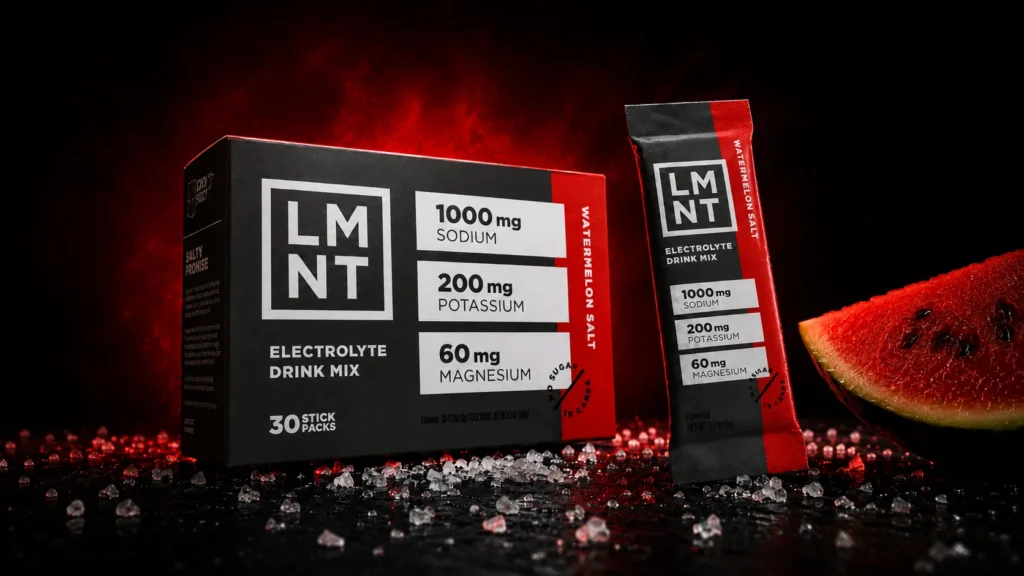
LMNT is the go-to recommendation across the keto community for good reason. At 1,000 mg of sodium, 200 mg of potassium, and 60 mg of magnesium malate per packet – with zero sugar, zero carbs, and zero caffeine – it directly addresses all three electrolyte deficits in a single serving. It is the best electrolyte drink for keto for people who are actively training or sweating heavily during the adaptation period.
The Chocolate Salt flavor dissolves in warm water and works well as a morning or evening drink. At around $1.50 per packet, it is premium-priced but difficult to argue with for pure keto flu effectiveness.
Ultima Replenisher – Best for Daily Use and Higher Magnesium

Ultima delivers 100 mg of magnesium citrate per packet – the highest of any mainstream electrolyte product – alongside all six primary electrolytes including calcium and chloride. At only 55 mg of sodium, it is the gentler daily option for people who get their sodium primarily from food (bone broth, salted meals) and want electrolyte insurance without sodium overload.
Zero sugar, zero calories, zero caffeine, stevia-sweetened, and as affordable as $0.47 per serving in canister format.
DripDrop Zero – Best for Fast Headache Relief
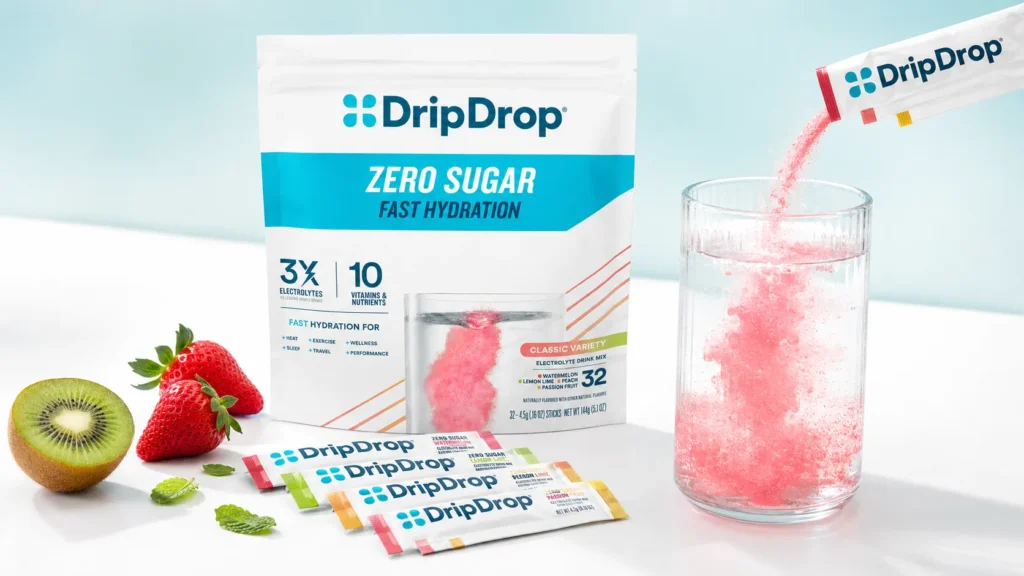
DripDrop Zero uses ORS science – the sodium-glucose cotransport mechanism – to accelerate fluid and mineral absorption into the bloodstream faster than a standard powder. Unlike the original DripDrop formula, the Zero version has no sugar, making it fully keto-compatible. At 330 mg of sodium, 40 mg of magnesium citrate, and added zinc and B vitamins per packet, it covers both the hydration speed and the mineral replacement that keto headaches require. Good for acute symptom relief.
How Much and When: Practical Dosing for Keto Flu
The right amount matters as much as the right mineral.
General daily electrolyte targets on keto during the adaptation phase (first two to four weeks):
- Sodium: 3,000–5,000 mg per day from all sources combined (food + supplements)
- Potassium: 2,000–3,500 mg per day – primarily from keto-compatible foods, with electrolyte supplementation filling the gap
- Magnesium: 400–500 mg of elemental magnesium per day – split between diet and supplementation
For timing, a practical keto headache remedy routine looks like this: one serving of a high-sodium electrolyte drink in the morning with breakfast, one in the afternoon (especially post-workout if you are training), and a magnesium-focused serving or supplement in the evening to support sleep quality and overnight muscle recovery.
Do not try to hit all your electrolyte targets in a single morning dose. Sodium and potassium are water-soluble and excreted throughout the day – spreading intake across two to three servings maintains steadier blood levels than front-loading.
Stay well hydrated with plain water between electrolyte servings. Keto increases urinary output, and the combination of higher fluid loss with increased electrolyte excretion means dehydration risk is real. Monitor urine color – pale yellow is your target. Dark yellow means you need more fluid. Clear can mean you are over-hydrating without enough electrolytes, which dilutes sodium further.
How Long Does Keto Flu Last – and When Should You Worry?
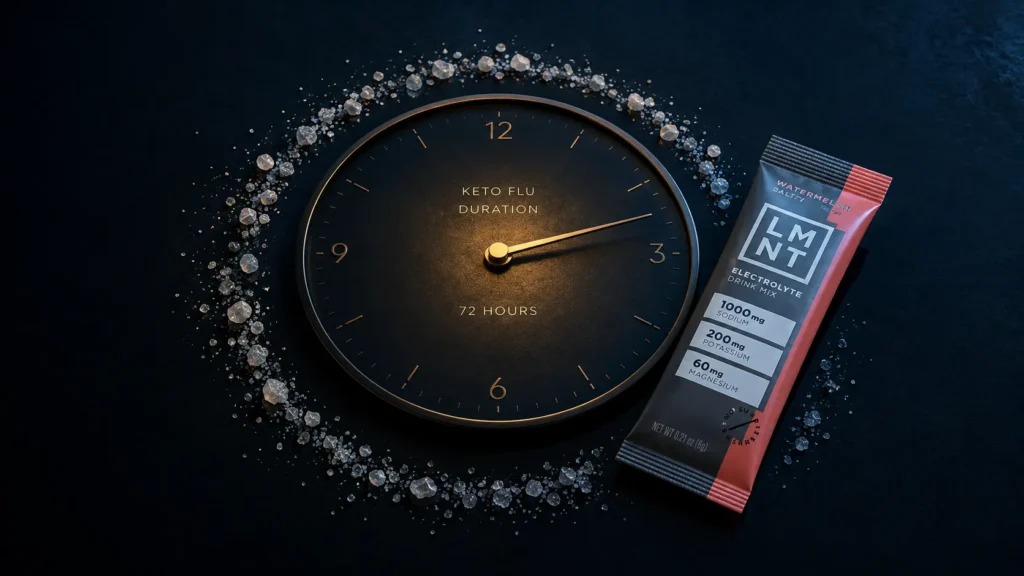
With proper electrolyte management, most keto flu symptoms – including headache – resolve within three to seven days of starting the diet. This aligns with the timeline of the body depleting initial glycogen stores and beginning to adapt to fat oxidation as its primary fuel source.
Without electrolyte replacement, symptoms can persist for two to four weeks and may be severe enough to force people off the diet entirely. The 2025 Frontiers in Nutrition scoping review of keto-induction symptoms noted that electrolyte and fluid management is among the most physiologically rational interventions for symptom relief during the adaptation phase, though direct clinical trial data specifically on this intervention remains limited.
Most headaches from keto flu are manageable and temporary. However, persistent headache beyond two weeks despite adequate electrolyte intake, or headache accompanied by significant dizziness, fainting, heart palpitations, or very dark urine, warrants medical evaluation. These could signal more significant electrolyte imbalances or underlying conditions that keto has unmasked.
People taking diuretics, ACE inhibitors, or other medications that affect kidney function or electrolyte handling should consult their doctor before significantly increasing sodium or potassium intake on a ketogenic diet.
Keto-Friendly Food Sources to Support Electrolyte Intake
Electrolyte drinks are convenient, but food-first is always the more sustainable long-term approach. Here are the best keto-compatible sources for each mineral:
Sodium: Sea salt, pink Himalayan salt, bone broth (500–900 mg per cup), olives, pickles, cured meats, miso. Salt your food generously during keto adaptation – this is one time where that advice is medically appropriate.
Potassium: Avocado (~975 mg per fruit), spinach, Swiss chard, salmon, pork loin, mushrooms, plain Greek yogurt (if dairy is tolerated). These are among the best keto headache remedy food sources because they deliver potassium without the carb load of traditional high-potassium foods like bananas or sweet potatoes.
Magnesium: Pumpkin seeds (~156 mg per oz), almonds, dark leafy greens (spinach, Swiss chard), dark chocolate (85%+ cacao), halibut, mackerel. A handful of pumpkin seeds daily covers a meaningful portion of the magnesium gap on keto.
The best approach during the keto adaptation phase is layered: prioritize electrolyte-dense keto foods in every meal, supplement with a quality zero-sugar electrolyte drink one to two times per day, and monitor your symptoms. Most people find that when their keto flu electrolyte deficiency is addressed through this combination, headaches, fatigue, and brain fog clear faster than they expected.
Final Thoughts: Fix the Headache, Stay on Keto

The keto flu headache is one of the most common reasons people abandon a diet that might otherwise be working for them. The frustrating part is that it is almost entirely preventable with the right electrolyte strategy.
Replace sodium first – it is the primary driver of the headache mechanism. Add potassium through food and supplementation. Get your magnesium in a bioavailable form, ideally glycinate or malate, in the evening to support sleep and muscle recovery overnight.
For a zero-sugar, keto-compatible electrolyte product: LMNT is the most clinically targeted for active keto dieters. Ultima Replenisher is the best value for daily use and highest magnesium content. DripDrop Zero works well for acute relief episodes.
The headache usually peaks in days two to four and begins resolving as your body adapts to the new metabolic state. Give it the minerals it needs to make that transition, and the keto flu becomes a brief inconvenience rather than a reason to quit.
Frequently Asked Questions
Q1. How do electrolytes help with keto flu headaches?
Keto flu headaches are primarily caused by low sodium, which reduces blood volume and blood flow to the brain. Replacing sodium – along with potassium and magnesium – restores proper fluid balance, supports the sodium-potassium cellular pump, and relieves the headache at its root cause rather than masking it with pain relief medication.
Q2. How much sodium do I need on keto to avoid headaches?
Most practitioners recommend 3,000–5,000 mg of sodium per day during the keto adaptation phase. Active individuals or heavy sweaters may need up to 7,000 mg on training days. This is significantly higher than standard dietary sodium recommendations, which are calibrated for sedentary individuals without the accelerated sodium excretion that keto triggers.
Q3. Can drinking too much water make a keto headache worse?
Yes. Drinking large amounts of plain water without adequate sodium replacement dilutes blood sodium further – a condition called dilutional hyponatremia. This can temporarily worsen headache, dizziness, and fatigue. Always combine increased water intake with adequate sodium during keto adaptation.
Q4. Which electrolyte drink is best for keto flu?
For active keto dieters with acute keto flu symptoms, LMNT is the most widely recommended option – high sodium (1,000 mg), zero sugar, zero carbs, and magnesium-inclusive. For general daily use at a lower price, Ultima Replenisher covers six electrolytes including 100 mg of magnesium with zero sugar in canister format.
Q5. How long does it take for electrolytes to fix a keto headache?
Many people report noticeable improvement within 20–45 minutes of adequate sodium intake. Full resolution of the acute headache typically takes one to two hours with proper fluid and electrolyte replacement. The broader keto flu – fatigue, brain fog, muscle weakness – takes several days of consistent electrolyte management to resolve fully.
Q6. Does keto flu headache come back after the adaptation period, or is it a one-time experience?
For most people, the keto flu headache is a one-time event tied specifically to the initial adaptation window – typically days two to four of starting keto – when the body is rapidly depleting glycogen stores and the kidneys shift into elevated sodium excretion mode. Once the body fully adapts to fat oxidation as its primary fuel source, the natriuresis stabilizes and headaches driven by acute electrolyte loss become far less common.
This article contains affiliate links. If you purchase through our links, we may earn a commission at no extra cost to you. We only recommend products we genuinely believe in. Read our Affiliate Disclaimer for full details.