
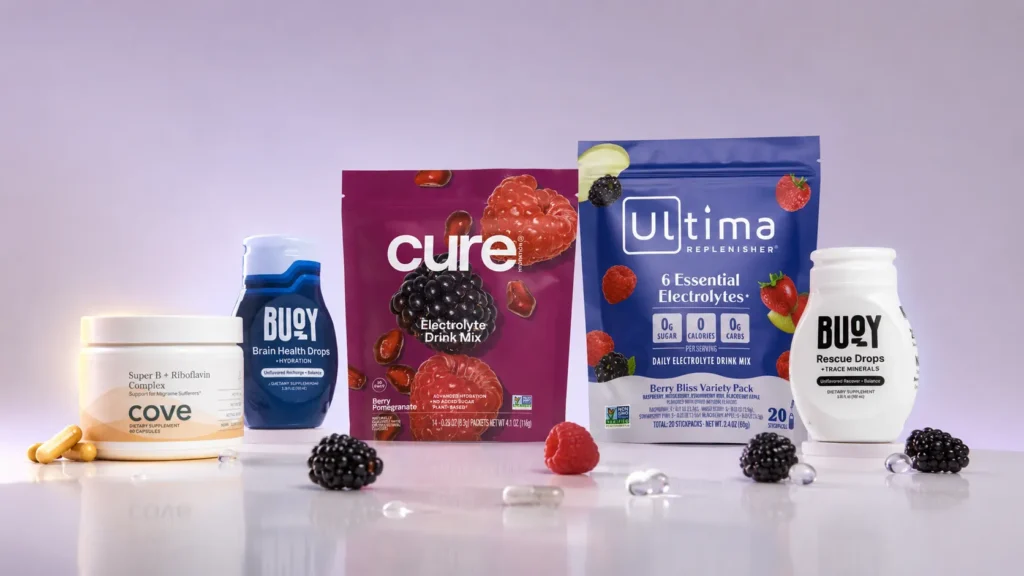
Electrolyte drinks for migraine may be useful when dehydration or fluid loss is one of a person’s triggers, but they do not prevent or treat every migraine attack. This guide compares five options by electrolyte profile, sugar, ingredients, and convenience while separating general research on hydration and magnesium from evidence about the finished products.
Table of Contents
Dehydration is one of the most consistently reported migraine triggers. But drinking plain water alone is not always sufficient to stop the chain reaction – because what dehydration actually disturbs is your body’s electrolyte balance. Sodium, magnesium, potassium, and calcium all directly regulate nerve excitability, blood vessel tone, and brain chemistry. When any one of them drops below threshold, the neurological conditions for a migraine attack become significantly more likely.
This guide ranks the 5 Best Electrolyte Drinks for Migraines – not general sports hydration, but products specifically evaluated for magnesium content and form, migraine-safe ingredients, absence of common chemical triggers, and clinical or evidence-based formulation. You will also find the honest distinction between what electrolytes can and cannot do for migraine management.
The Electrolyte–Migraine Connection: What the Research Shows
Migraines are not straightforward headaches – they are a complex neurological event involving cortical spreading depression (CSD), altered neurotransmitter activity, vascular changes, and heightened sensitivity to stimuli. Electrolytes are involved at nearly every stage of that process.
Magnesium and Cortical Spreading Depression
Of all the electrolytes, magnesium has the most robust evidence base in migraine research. Magnesium acts as a natural NMDA receptor antagonist – it blocks the receptor that triggers the waves of abnormal electrical activity (cortical spreading depression) that initiate a migraine attack. When magnesium levels drop, NMDA receptors become overactive, lowering the threshold at which a migraine can fire.
Multiple well-designed clinical studies support this mechanism. A 2025 meta-analysis published in Neurological Sciences reviewed randomised controlled trials of magnesium supplementation for migraine prophylaxis and found that magnesium reduced monthly migraine attacks, severity scores, and migraine days significantly compared to control groups. The American Headache Society and the American Academy of Neurology now include oral magnesium in their preventive treatment guidelines.
Sodium and Blood Flow Regulation
Sodium regulates blood volume and vascular tone. When sodium drops – through dehydration, excessive sweating, or inadequate intake – blood volume falls, reducing cerebral perfusion. This drop in oxygen delivery to the brain can activate trigeminal nerve pain pathways and serve as a direct dehydration migraine trigger.
A 2012 study published in the European Journal of Neurology found that increasing daily water intake significantly reduced both the frequency and intensity of migraines. Critically, the mechanism is not just fluid volume but electrolyte-driven fluid retention – which explains why electrolyte drinks outperform plain water for dehydration-related migraine prevention.
Potassium, Calcium, and Neurological Stability
Potassium maintains the electrical gradient across nerve cell membranes – the foundation of proper nerve signalling. Disruption of this gradient through electrolyte imbalance headache patterns contributes to the neurological instability that precedes migraine attacks. Calcium regulates neurotransmitter release and vascular smooth muscle contraction – the same mechanisms targeted by calcium channel blocker medications used in migraine prophylaxis.
What Makes an Electrolyte Drink Suitable for Migraine Sufferers?
Migraine sufferers have different requirements than general athletes or casual hydration users. The product evaluation criteria are stricter – because some common electrolyte ingredients are themselves migraine triggers.
- High magnesium (60–200 mg per serving, bioavailable form): This is the non-negotiable for migraine-targeted electrolyte drinks. Look for magnesium glycinate, citrate, or malate – all demonstrate superior absorption and neurological relevance. Magnesium oxide absorbs poorly and can cause digestive issues without delivering adequate brain-accessible magnesium.
- No artificial sweeteners (especially aspartame and sucralose): Aspartame is a documented migraine trigger in a significant subset of sufferers. Artificial sweeteners in general can provoke neurological sensitivity reactions. The safest sweeteners for migraine sufferers are stevia (pure rebaudioside A) and allulose – though even stevia can trigger migraines in people sensitive to ragweed.
- No artificial dyes (FD&C Red 40, Yellow 5, Blue 1): Artificial food colourings have been associated with headache and neurological sensitivity in susceptible individuals. For migraine sufferers, products using only natural colouring are the significantly safer choice.
- No high-dose niacin (B3): Niacin in doses above 30–35 mg can cause a ‘niacin flush’ – a sudden vasodilatory response involving flushing, tingling, and headache that mimics or triggers a migraine in sensitive people. Several popular electrolyte products include B3 at 120% DV or higher. For the migraine-sensitive population, this is a meaningful formulation risk.
- Low or no sugar: Blood sugar spikes followed by rapid drops are established migraine triggers. High-sugar electrolyte drinks can paradoxically worsen migraine risk in people sensitive to glycaemic fluctuations. Zero-sugar or very low-sugar options are preferable for daily migraine prevention use.
- No caffeine: Caffeine is a double-edged sword for migraines. In small doses it can acutely relieve migraine pain (it is included in some migraine medications for this reason). As a regular component of a daily electrolyte product, however, caffeine dependence creates withdrawal headaches on days when consumption drops – a pattern that worsens long-term migraine frequency.
Important Distinction:
Electrolytes support migraine prevention by addressing dehydration and mineral deficiency triggers – not all migraines respond equally. Hormonal migraines, barometric pressure-triggered migraines, and certain neurological migraine variants have triggers unrelated to hydration status. If your migraines persist despite excellent hydration and electrolyte management, consult a neurologist for a complete treatment plan. Electrolytes are one tool in a broader management strategy.
5 Best Electrolyte Drinks for Migraines – Ranked
#1 – Cove Oasis Hydration Mix
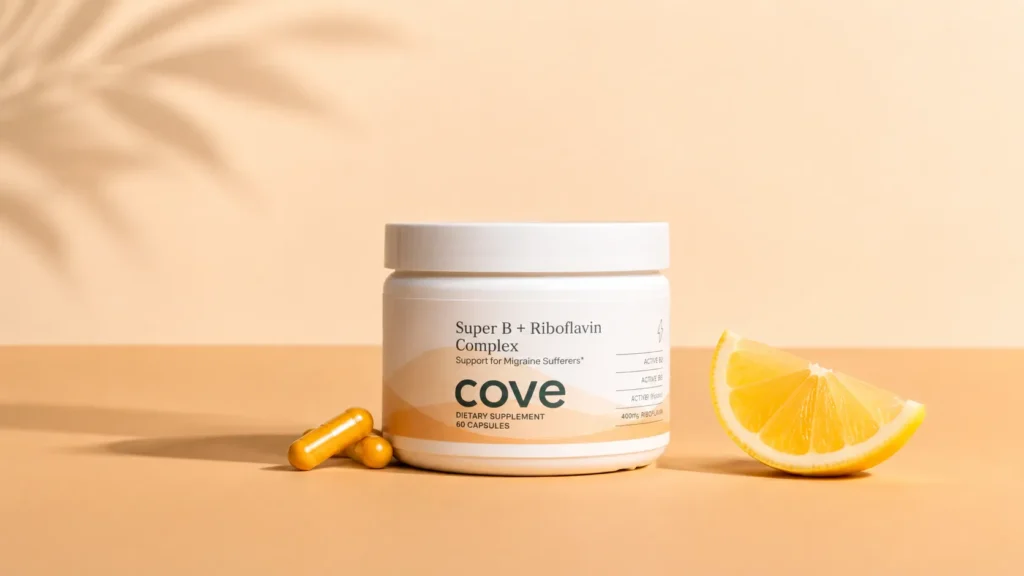
Best For: Migraine sufferers seeking a clinically designed, headache-specialist formulated daily drink
| Nutrient/Feature | Details |
|---|---|
| Magnesium | 200 mg per serving (highest on this list) |
| Sodium | Included |
| Calcium | Included |
| Potassium | Included |
| Vitamin B6 | For nausea and nerve support |
| Vitamin B12 | For nausea and nerve support |
| Vitamin C | Included |
| Sugar | 0 g |
| Sweetener | Stevia |
| Aspartame | No |
| Artificial Dyes | No |
| Price | Available via Cove subscription |
Cove Oasis earns the top position on this list because it is the only product here specifically designed by headache specialists for migraine management – not adapted from a general sports hydration formula. Cove is a telemedicine migraine care platform, and Oasis was built as a complement to clinical migraine treatment, not a standalone wellness drink.
The magnesium content at 200 mg per serving is the highest of any mainstream electrolyte product evaluated here. Given the clinical evidence supporting magnesium as a migraine prevention supplement – with the American Headache Society recommending it in preventive guidelines – this dosage is directly clinically relevant. The form used includes bioavailable magnesium alongside calcium and other electrolytes in a balanced combination that covers the nerve stability and vascular regulation mechanisms involved in migraine pathophysiology.
#2 – Buoy Hydration Drops
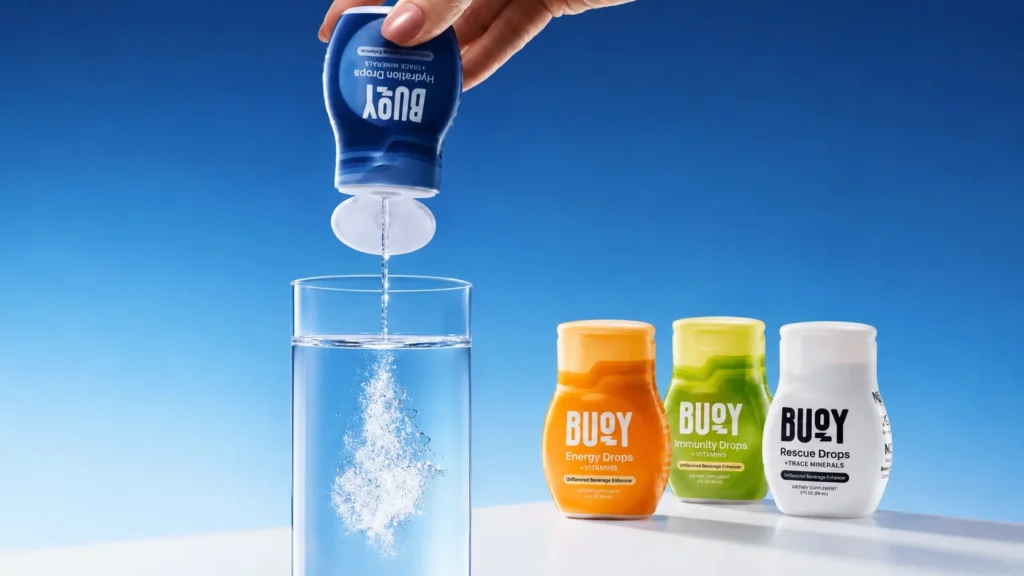
Best For: Migraine sufferers sensitive to sweeteners, flavors, or artificial ingredients; daily seamless use
| Nutrient/Feature | Details |
|---|---|
| Electrolytes | Sodium, chloride, potassium, magnesium, calcium from sea salt + 87 trace minerals |
| Vitamin B1 | 40% DV per serving |
| Vitamin B5 | 30% DV per serving |
| Vitamin B6 | 30% DV per serving |
| Sugar | 0 g |
| Sweeteners | No |
| Flavors | No |
| Artificial Dyes | No |
| Calories | 0 |
| Format | Liquid drops – add to any beverage (water, coffee, tea, juice) |
| Price | ~$0.50–$0.60/serving |
| Availability | Amazon and justaddbuoy.com |
Buoy Hydration Drops occupy a unique position in the migraine electrolyte drink category: they are genuinely the cleanest product on this list from an ingredient standpoint, which is directly relevant for migraine sufferers whose attacks are triggered by artificial sweeteners, flavours, dyes, or preservatives – a significant subset of the migraine population.
The drops are unflavored and unsweetened. There is no stevia, no sucralose, no aspartame, no natural flavours (which can contain undisclosed compounds), and no FD&C dyes. The electrolytes come from sea salt sourced from the ocean, delivering 87 trace minerals alongside the primary electrolytes – sodium, chloride, potassium, magnesium, and calcium. This is the most ingredient-transparent formula on this list.
A university-led clinical study found Buoy electrolytes hydrated participants 64% more than water alone and 49% more than a leading electrolyte powder, resulting in a 10x positive net fluid balance. For the dehydration migraine trigger pathway, this absorption efficiency is directly relevant – getting fluid and minerals into the bloodstream faster means crossing the hydration threshold before a migraine fires.
#3 – Cure Hydration Organic Electrolyte Mix
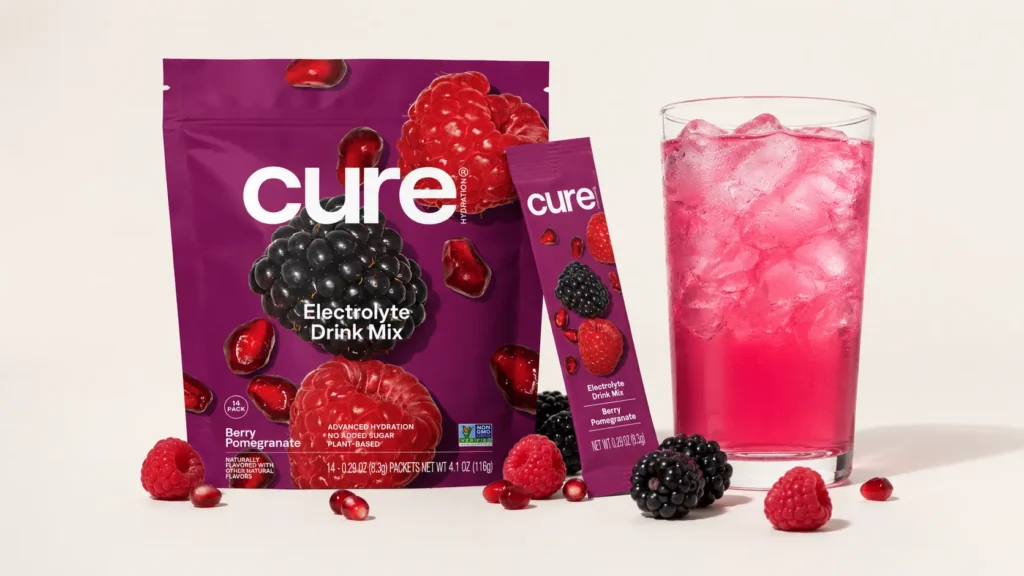
Best For: Clean-ingredient daily hydration with organic sourcing and no artificial anything
| Nutrient/Feature | Details |
|---|---|
| Sodium | 220 mg |
| Potassium | 300 mg |
| Magnesium | 10 mg |
| Base | Coconut water powder base (natural source of potassium and trace minerals) |
| Vitamin C | 30 mg |
| B Vitamins | No B vitamins |
| Organic | Yes |
| Non-GMO | Yes |
| Vegan | Yes |
| Sugar | 4 g (from organic coconut water) |
| Artificial Sweeteners | No |
| Artificial Dyes | No |
| Artificial Flavors | No |
| Price | ~$1.50–$1.75/serving |
Cure Hydration earns its place on this list through ingredient purity and clean sourcing rather than mineral density. It is certified organic, non-GMO, vegan, and uses coconut water powder as its electrolyte base – a natural source of potassium and trace minerals without any synthetic mineral compounds.
For migraine sufferers, the relevant feature is what Cure does not contain: no aspartame, no sucralose, no artificial dyes, no natural flavours of ambiguous origin, and no high-dose B3. The electrolyte imbalance headache risk from Cure is essentially zero from an ingredient trigger standpoint. It uses organic stevia and organic cane sugar (4 g total) for mild sweetness – the sugar content is low enough to avoid significant glycaemic impact in most people.
The 300 mg of potassium per serving is one of the stronger potassium deliveries on this list, which is relevant for the nerve membrane stability involved in migraine threshold management. Available at Target, Whole Foods, Amazon.
#4 – Ultima Replenisher (Canister Format)
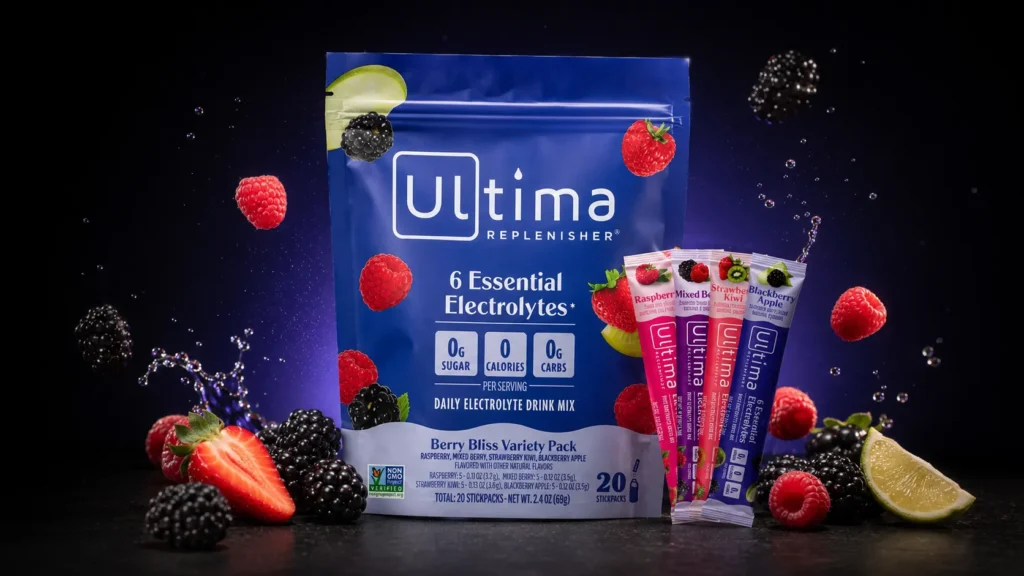
Best For: Daily electrolyte maintenance, budget users, high-magnesium repeat dosing
| Nutrient/Feature | Details |
|---|---|
| Magnesium | 100 mg magnesium citrate |
| Sodium | 55 mg |
| Potassium | 250 mg |
| Calcium | 65 mg |
| Phosphorus | 70 mg |
| Zinc | Included |
| Vitamin C | 110% DV |
| Sugar | 0 g |
| Sweetener | Stevia only |
| Artificial Dyes | No |
| Artificial Flavors | No |
| Price | ~$0.47–$0.63/serving in canister format |
Ultima Replenisher’s placement here is built on its 100 mg of magnesium citrate per serving – the second-highest magnesium content on this list – at a price point low enough for genuine twice-daily use. For a migraine prevention electrolyte supplement used daily as a foundation habit, cost-per-serving matters enormously over the weeks and months the approach requires to show measurable benefit.
The six-electrolyte profile (sodium, potassium, magnesium, calcium, phosphorus, chloride) covers the full spectrum of minerals implicated in neurological stability and vascular tone. Magnesium citrate is a well-absorbed form that contributes meaningfully toward the 400–600 mg daily target that most migraine-focused research uses for preventive effect – achievable if Ultima is taken twice daily alongside dietary magnesium from food.
One important note for migraine sufferers: Ultima contains stevia. While stevia is generally well-tolerated, a subset of people – particularly those with ragweed allergies – report stevia as a migraine trigger. If you suspect stevia sensitivity, Buoy Hydration Drops (ranked #2) are the cleaner alternative.
No FD&C artificial dyes. No aspartame. No high-dose niacin. Natural plant-based colouring only. At canister pricing as low as $0.47 per serving, Ultima is the most accessible magnesium-focused electrolyte option for long-term daily migraine prevention.
#5 – Water + Magnesium Glycinate + Electrolyte Drops (DIY Protocol)

Best For: Migraine sufferers with documented low magnesium wanting maximum therapeutic dose control
| Nutrient/Feature | Details |
|---|---|
| Magnesium Glycinate Supplement | 200–400 mg elemental magnesium (highest bioavailability) |
| Electrolytes | Paired with a clean liquid electrolyte (e.g. Buoy Drops) for sodium, potassium, chloride |
| Sugar | 0 g |
| Trigger-Risk Additives | No |
| Dose | Fully customisable |
| Price | Varies – estimated $0.50–$1.00 per daily dose combined |
The fifth entry on this list is not a single branded product – it is a combination protocol, and it deserves honest inclusion because the clinical research is clear: for migraine prevention specifically, water combined with a dedicated magnesium glycinate supplement may outperform any single electrolyte drink on the market.
Magnesium glycinate is the form with the strongest research profile for neurological conditions – it crosses the blood-brain barrier efficiently, has the lowest laxative effect of any magnesium form, and in doses of 400–600 mg daily has been shown in multiple clinical trials to reduce monthly migraine frequency and severity. No electrolyte drink on this list or any other provides 400–600 mg of magnesium in a single serving – dedicated supplementation is the only way to reach therapeutic ranges.
The practical protocol: 200–400 mg of magnesium glycinate taken at night (absorption is optimal during rest, and the glycinate form’s calming properties support sleep quality), combined with a clean unflavoured electrolyte like Buoy Drops or a stevia-sweetened option like Ultima added to water throughout the day. This combination separates the magnesium therapeutic dose from the daily hydration habit – a cleaner, more controllable approach for serious migraine prevention.
This is the migraine prevention electrolyte supplement approach used in clinical migraine management. Before starting high-dose magnesium supplementation, consult a physician – particularly if you have kidney conditions or take medications that affect magnesium metabolism.
When and How to Use Electrolytes for Migraine Prevention
The most important point about using electrolytes for migraine prevention: consistency matters more than any individual serving. A single electrolyte drink the morning of a migraine does not address the underlying mineral deficit that developed over days or weeks of insufficient intake.
- Daily baseline hydration: Take a magnesium-containing electrolyte drink once or twice daily as a consistent habit – not reactively when symptoms begin. For migraine prevention specifically, the American Headache Society notes that magnesium prophylaxis requires a minimum of two to three months of consistent daily supplementation before measurable frequency reductions appear.
- Before known triggers: If exercise, heat, or long outdoor activities are personal migraine triggers, take an electrolyte drink 30–60 minutes before and another serving after. Sweat-driven sodium and magnesium loss creates the electrolyte imbalance headache conditions that activate migraine pathways in physically active migraine sufferers.
- Morning hydration: Overnight, the body loses 1–2 cups of water through breathing alone. For migraine sufferers, waking in a slightly dehydrated state can set the stage for a morning attack. Taking a low-trigger electrolyte drink with the first 16 oz of water in the morning addresses that overnight deficit before the day’s demands add further strain.
- During a prodrome: Many migraine sufferers experience prodrome symptoms – increased thirst, food cravings, yawning, neck stiffness – hours before the headache phase. Aggressive hydration with an electrolyte drink at the prodrome stage may reduce the severity of the attack that follows, though it will not always prevent it entirely.
Pair electrolyte drinks with magnesium-rich foods: pumpkin seeds (156 mg per oz), almonds, dark leafy greens, dark chocolate (85%+), and fatty fish. Dietary magnesium from whole foods is more bioavailable and more consistent than any supplement strategy alone.
Final Verdict: Choosing 5 Best Electrolyte Drinks for Migraine
Migraines are individual, and trigger profiles vary significantly between sufferers. The best electrolyte drink for migraines is the one that fits your specific trigger pattern, ingredient sensitivities, and daily habits.
- For clinically targeted migraine management: Cove Oasis – designed by headache specialists, highest magnesium (200 mg), zero trigger-risk sweeteners and additives, B6 and B12 without high-dose niacin.
- For ingredient-sensitive migraine sufferers: Buoy Hydration Drops – no sweeteners, no flavours, no dyes, no artificial anything. The cleanest formula available for the most sensitive migraine profiles. Clinically proven absorption advantage.
- For clean daily hydration on a budget: Ultima Replenisher (canister) – 100 mg magnesium citrate, six electrolytes, no artificial dyes, as low as $0.47 per serving. Best value for consistent daily magnesium-electrolyte supplementation.
- For organic, naturally sourced ingredients: Cure Hydration – certified organic, coconut water base, 300 mg potassium, no artificial anything. Lower magnesium but highest ingredient transparency among mainstream products.
- For maximum therapeutic magnesium dosing: Magnesium glycinate supplement (200–400 mg) paired with clean electrolyte drops – the only protocol that reaches the 400–600 mg daily range shown effective in clinical migraine prevention trials.
Frequently Asked Questions
Q1. Can electrolyte drinks prevent migraines?
Electrolyte drinks can help prevent dehydration-triggered migraines and support the magnesium levels associated with lower migraine frequency. They are most effective as a preventive daily habit rather than a reactive treatment during an active attack. The clinical evidence for magnesium supplementation specifically in migraine prevention is substantial – the American Headache Society includes it in their preventive treatment guidelines. Electrolytes address dehydration and mineral deficiency triggers; they do not prevent all migraine types.
Q2. Which electrolyte is most important for migraines?
Magnesium has the strongest evidence base for migraine prevention among all electrolytes. Multiple clinical trials show that daily magnesium supplementation reduces attack frequency, severity, and migraine days in adults – with the American Academy of Neurology including it in their evidence-based preventive guidelines. Sodium is the second most relevant, primarily through its role in maintaining blood volume and preventing the cerebral underperfusion that triggers dehydration migraines. Potassium and calcium support neurological stability as supporting minerals.
Q3. Does drinking electrolytes help during a migraine attack?
For attacks with a dehydration component – which includes many exercise-triggered or heat-triggered migraines – yes, electrolyte drinks during the attack can reduce severity and duration. They are less effective for attacks driven by hormonal fluctuations, barometric pressure, or purely neurological mechanisms. Sip a low-trigger electrolyte drink at the first sign of an attack rather than waiting for full onset. Avoid high-sugar or high-niacin products during an active attack.
Q4. Can too many electrolytes cause a headache?
Yes, in specific situations. Very high sodium intake without adequate water can cause hypernatraemia, which produces headache and neurological symptoms. Niacin (B3) at doses above 30–35 mg causes a flush reaction that includes headache and vasodilation. Rapid shifts in sodium balance – whether too fast up or too fast down – can destabilise the vascular environment in migraine-prone individuals. This is why gradual, consistent electrolyte supplementation is safer than large irregular doses.
Q5. How long does it take for magnesium to help with migraines?
Clinical trials consistently show that magnesium’s preventive effect on migraines requires at least two to three months of consistent daily supplementation before statistically significant reductions in attack frequency appear. Short-term supplementation provides nutritional support but is unlikely to show measurable migraine prevention benefit. The commitment to daily magnesium – through electrolyte drinks, dedicated supplements, or a combination – needs to be treated as a long-term habit rather than a short-term trial.
Q6. Is Gatorade or a standard sports drink a good choice for migraine sufferers?
Standard Gatorade and most mainstream sports drinks are not ideal for migraine prevention, and for some sufferers they can actively worsen risk. The core issue is the ingredient profile: artificial dyes (particularly Yellow 5 and Blue 1), high sugar content (21-34 g per serving), and no meaningful magnesium are three strikes against using them for migraine management. The blood sugar spike followed by a rapid drop from that sugar load is itself an established migraine trigger in people sensitive to glycaemic fluctuations. They do address sodium and potassium replacement after exercise, but the complete absence of magnesium – the single most evidence-backed electrolyte for migraine prevention – means they miss the most clinically relevant mineral entirely. For migraine sufferers, any of the five products ranked in this article represent a meaningfully better choice than standard sports drinks for regular hydration.
Q7. Can children or teenagers with migraines use these electrolyte drinks?
For adolescents with migraines, the products on this list that are most appropriate are those with zero artificial sweeteners, no caffeine, no high-dose vitamins, and lower sodium loads – Buoy Hydration Drops and Cure Hydration are the two cleanest options from that standpoint. Ultima Replenisher and Cove Oasis are also generally well-tolerated given their stevia-only sweetener and absence of artificial dyes. The magnesium research in paediatric and adolescent migraine is promising – a 2021 review found magnesium supplementation reduced migraine frequency in children as well as adults.
This article contains affiliate links. If you purchase through our links, we may earn a commission at no extra cost to you. We only recommend products we genuinely believe in. Read our Affiliate Disclaimer for full details.