

Electrolytes for pregnancy nausea may help replace fluid and minerals when vomiting makes regular hydration difficult, but no commercial drink is universally appropriate during pregnancy. Compare sodium, potassium, sugar, sweeteners, vitamins, and herbal ingredients with your prenatal care professional. Contact your clinician promptly if you cannot keep fluids down or notice signs of dehydration.
Table of Contents
The core problem with pregnancy nausea is not just discomfort – it is what constant vomiting does to your body’s fluid and mineral balance. Every time you vomit, you lose sodium, potassium, chloride, and magnesium along with the fluid. Plain water cannot replace those minerals. That is where drinking electrolytes while pregnant makes a meaningful difference over just sipping water and hoping for the best.
This article covers exactly why electrolytes for pregnancy matter so much, which minerals are most important, which pregnancy-safe hydration drinks are worth your money, and how to use them without worrying about what you are putting in your body during one of the most sensitive periods of your life. Everything here is grounded in verified data – no guesswork.
Why Pregnancy Increases Your Electrolyte Needs

Pregnancy is one of the most physiologically demanding states the human body goes through. Blood volume increases by 45–55% over the course of a pregnancy to support the growing baby, the placenta, and amniotic fluid production. This expanded fluid volume means your body needs proportionally more electrolytes – not just more water – to maintain proper mineral concentration across all that extra fluid.
The American College of Obstetricians and Gynecologists (ACOG) recommends that pregnant women consume 8 to 12 cups of fluid per day – significantly more than the standard 8 cups for non-pregnant adults. If you are vomiting regularly from morning sickness, hitting that target while replacing what you lost becomes a real challenge.
Electrolytes for pregnancy are not optional extras. They are foundational to maintaining the fluid balance that supports both maternal health and fetal development – including bone formation, nerve signalling, and the regulation of amniotic fluid levels. Low amniotic fluid (oligohydramnios) has been linked to inadequate maternal hydration, which is one reason obstetricians take dehydration from morning sickness seriously.
Morning Sickness and Electrolyte Loss: What Actually Happens
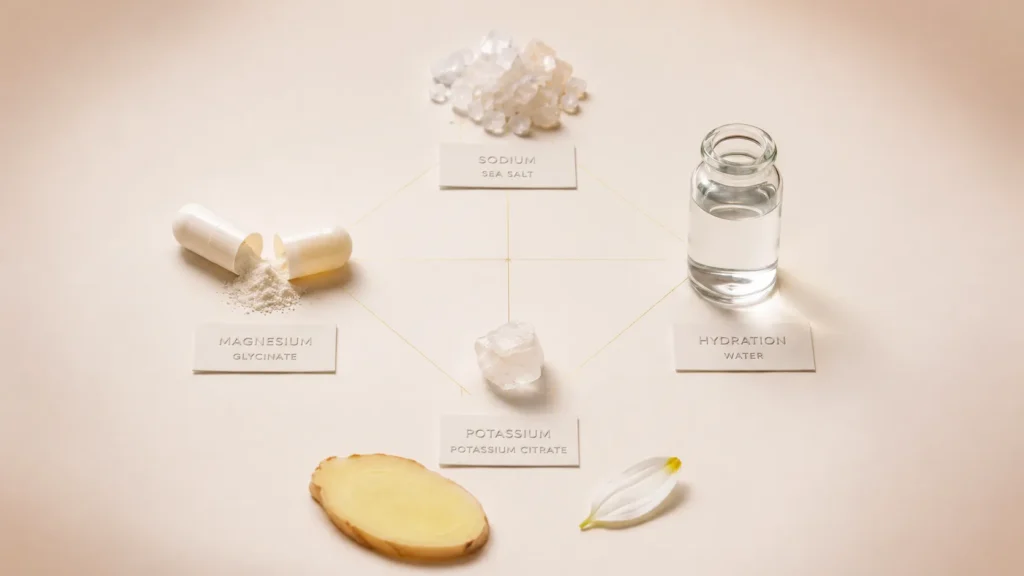
Morning sickness affects roughly 70–80% of pregnant women, typically starting around week 6 and peaking between weeks 8 and 12. For most, it eases by the second trimester. For some – particularly those with hyperemesis gravidarum (HG), the severe form – it persists throughout pregnancy and can lead to hospitalisation.
This is precisely why ORS for pregnant women is a medically recognised intervention. Oral Rehydration Solutions are specifically designed to replace the combination of fluid, glucose, and electrolytes lost during episodes of vomiting or diarrhoea. The glucose in ORS serves a functional purpose – it activates the sodium-glucose cotransport (SGLT1) mechanism in the small intestine, pulling both sodium and water into the bloodstream faster than passive absorption alone.
If you want to understand how ORS absorption mechanics work in detail – and how different hydration products compare – our article on DripDrop vs Pedialyte covers the science in depth.
The practical reality: if you are vomiting more than two to three times per day and struggling to keep fluids down, plain water is not a sufficient replacement strategy. The electrolytes for pregnancy nausea that actually help are the ones that address sodium, potassium, and magnesium together – not just fluid volume.
When to Call Your Doctor:
If you are vomiting so frequently that you cannot keep any fluids down for more than 24 hours, or if you notice signs of significant dehydration – dark urine, dizziness, rapid heartbeat, or reduced urination – contact your healthcare provider immediately. Severe cases of hyperemesis gravidarum may require IV fluid replacement that no oral product can substitute for.
The 4 Electrolytes That Matter Most During Pregnancy
Sodium – More Important Than You Think
Sodium has unfairly developed a bad reputation during pregnancy. Some older guidance suggested sodium restriction to prevent swelling and preeclampsia. The evidence has moved in the opposite direction.
Sodium also plays a direct role in managing morning sickness-related dehydration. When sodium drops after repeated vomiting, the brain triggers thirst signals and fatigue simultaneously – a combination that makes nausea feel significantly worse. Replacing sodium through hydration drinks for pregnant women can reduce that vicious cycle.
Potassium – The First Electrolyte Lost in Vomiting
Potassium is disproportionately lost during vomiting episodes because of a compensatory kidney response to acid loss. When gastric acid (which contains chloride and hydrogen) is expelled, the kidneys try to correct the resulting alkalosis by excreting potassium. This is why women with severe morning sickness or hyperemesis gravidarum frequently present with low potassium (hypokalaemia) in clinical settings.
The daily potassium target during pregnancy is 2,900 mg per day. Good dietary sources include avocado (~975 mg per fruit), banana (~422 mg), spinach, salmon, and sweet potato. When vomiting makes eating difficult, hydration drinks for pregnant women that include potassium help fill the gap between dietary intake and daily requirements.
Magnesium – For Cramps, Sleep, and Nausea
Magnesium deficiency during pregnancy is associated with muscle cramps (particularly leg cramps at night), disturbed sleep, anxiety, and – critically – worsened nausea. Some preliminary research suggests that magnesium supplementation may help reduce nausea and vomiting in early pregnancy, though the evidence base is not yet as strong as it is for Vitamin B6.
We have a detailed breakdown of why magnesium is the most important electrolyte for muscle-related pregnancy discomfort in our article on best electrolytes for leg cramps at night – which covers magnesium forms and dosing in depth.
The recommended intake of magnesium during pregnancy is 350–360 mg per day for adults. Most pregnant women fall short of this through diet alone. Electrolyte drinks that include magnesium citrate or malate – both well-absorbed forms – provide practical daily supplementation without requiring a separate pill.
Calcium – For Baby’s Development and Your Muscle Health
Calcium is required for fetal bone development, the baby’s muscle function, and proper nerve transmission. If maternal calcium intake is insufficient, the body draws from maternal bone stores to supply the baby – a physiological prioritisation that can affect long-term maternal bone density. Hydration drinks for pregnant women that include calcium alongside other electrolytes provide a meaningful daily contribution toward the 1,000 mg daily pregnancy requirement.
Best Pregnancy-Safe Hydration Drinks for Nausea – Ranked
All of the products below are free from artificial sweeteners, high-dose stimulants, and ingredients with documented pregnancy risks. As always, consult your OB or midwife before adding any new supplement to your routine.
#1 – Seeking Health Optimal Electrolyte
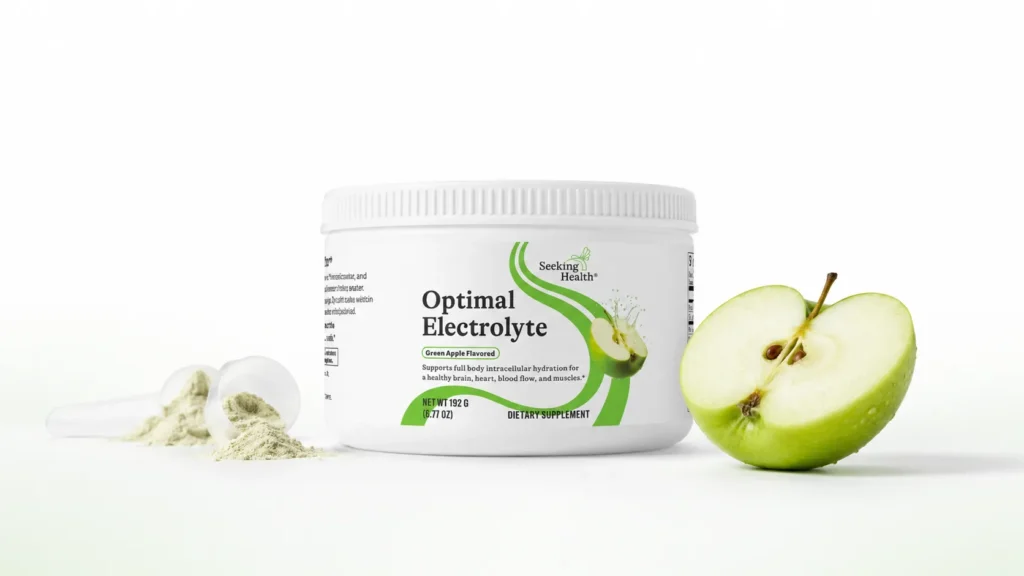
Best For: Pregnant women wanting a clean, prenatal-compatible formula with magnesium and B vitamins
| Nutrient/Feature | Details |
|---|---|
| Magnesium | 100 mg (magnesium malate) |
| Potassium | 300 mg |
| Sodium | 350 mg |
| Calcium | Included |
| Chromium | Included |
| Vitamin C | Included |
| Vitamin B6 | Included (at pregnancy-appropriate dose – NOT high-dose niacin) |
| Sugar | 0 g |
| Artificial Sweeteners | No |
| Artificial Dyes | No |
| Non-GMO | Yes |
| Price | ~$0.90–$1.10/serving |
| Availability | seekinghealth.com |
Seeking Health is a brand founded by Dr. Ben Lynch, a naturopathic physician who specialises in prenatal nutrition and MTHFR genetics. The electrolyte formula was designed with pregnant and postpartum women specifically in mind – which is immediately evident from the ingredient choices: magnesium malate (superior absorption, lower digestive side effect risk), B6 at a functional pregnancy-appropriate dose rather than the ultra-high niacin doses found in many mainstream electrolyte products, and zero artificial sweeteners or dyes.
For managing electrolytes for pregnancy nausea specifically, the B6 inclusion is particularly meaningful. Vitamin B6 (pyridoxine) is one of the few interventions with consistent clinical evidence for reducing nausea and vomiting in pregnancy – it is actually included in Diclegis/Bonjesta, a prescription morning sickness medication. Having it present in your electrolyte drink is a genuine functional benefit, not a token addition.
The 100 mg of magnesium malate per serving is strong for a drink product. Combined with 300 mg of potassium and 350 mg of sodium, this is one of the most comprehensively formulated electrolyte options specifically appropriate for pregnancy. The powder mixes easily into water and comes in mild fruit flavours that most first-trimester palates can tolerate.
#2 – BUBS Naturals Hydrate Electrolytes (Coconut Water Base)

Best For: Organic-leaning mothers wanting clean ingredients and full-spectrum mineral coverage
| Nutrient/Feature | Details |
|---|---|
| Sodium | Included |
| Potassium | Included |
| Magnesium | Included |
| Calcium | Included |
| Base | Coconut water powder base (natural potassium, trace minerals) |
| Full-Spectrum Minerals | 2,000 mg per serving |
| Sugar | 0 g |
| NSF Certified for Sport | Yes |
| Artificial Sweeteners | No |
| Artificial Dyes | No |
| Price | ~$1.25–$1.50/serving |
| Availability | bubsnaturals.com |
BUBS Naturals Hydrate Electrolytes uses a coconut water powder base, which provides a naturally occurring source of potassium, magnesium, and trace minerals alongside formulated electrolytes. For pregnant women who prefer to minimise synthetic mineral compounds and get nutrients from food-derived sources where possible, the coconut water base provides a degree of ingredient naturalness that purely synthetic electrolyte products lack.
At 2,000 mg of full-spectrum minerals per serving with NSF Sport Certification – which verifies the product contains what the label says and nothing banned – BUBS Naturals provides strong quality assurance. Third-party certification matters especially during pregnancy, when product label accuracy is non-negotiable.
Drinking electrolytes while pregnant with BUBS is straightforward: the powder dissolves easily, is available in mild flavours, and the coconut water base makes it taste noticeably more natural than synthetic-mineral formulas. For morning sickness specifically, the light, slightly sweet flavour profile is easier on a sensitive palate than heavily flavoured products.
#3 – Coconut Water + Sea Salt (Natural ORS Protocol)
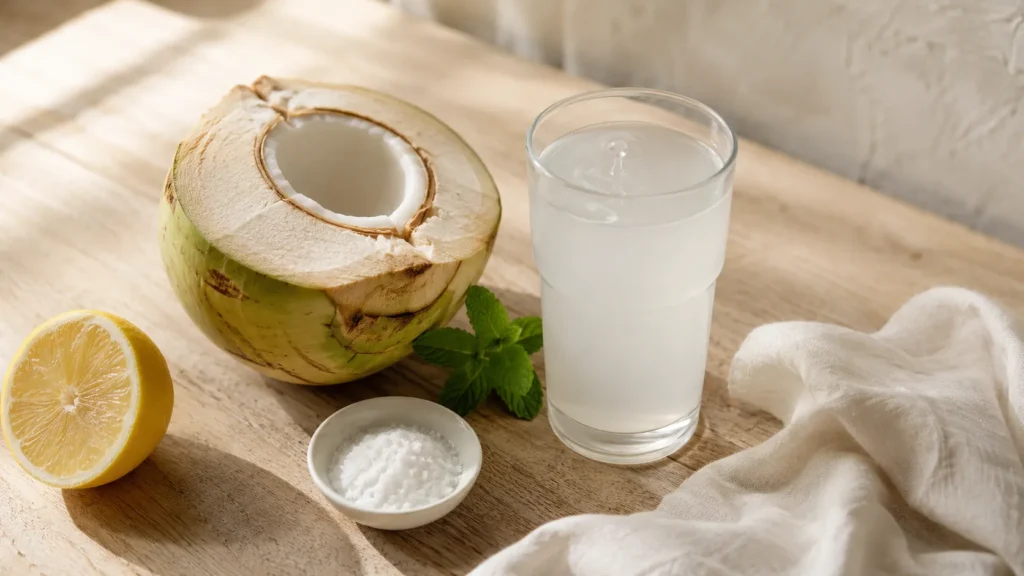
Best For: Budget-conscious mothers wanting the most natural electrolyte approach with zero additives
| Nutrient/Feature | Details |
|---|---|
| Coconut Water | ~600 mg potassium, ~252 mg sodium, ~60 mg magnesium, ~58 mg calcium per cup |
| Sea Salt | ¼ tsp adds approximately 590 mg of sodium to bring levels to ORS range |
| Optional Addition | Juice of half lemon (Vitamin C + citrate for kidney support) |
| Sugar | ~9 g (from coconut water – naturally occurring) |
| Additives | No additives whatsoever |
| Price | ~$0.50–$1.00 per preparation |
For women who find commercial electrolyte products trigger nausea through their flavouring, sweeteners, or smell – a very real experience in the first trimester when smell sensitivity is dramatically heightened – the most effective ORS for pregnant women may be one they prepare themselves.
Coconut water is one of the few whole-food sources that naturally approximates an electrolyte profile useful for rehydration. One cup provides approximately 600 mg of potassium, 252 mg of sodium, 60 mg of magnesium, and 58 mg of calcium. Adding a pinch of sea salt (¼ teaspoon = approximately 590 mg sodium) brings it closer to ORS sodium targets. A squeeze of lemon adds Vitamin C and citrate without any artificial components.
This approach also avoids every common nausea-triggering ingredient in commercial products: artificial dyes, flavours, sweeteners, and preservatives. Drinking electrolytes while pregnant does not have to mean opening a packet – for some women with extreme nausea sensitivity, this homemade ORS approach is genuinely more effective because it is tolerable.
#4 – Pedialyte Unflavored Classic Electrolyte Solution
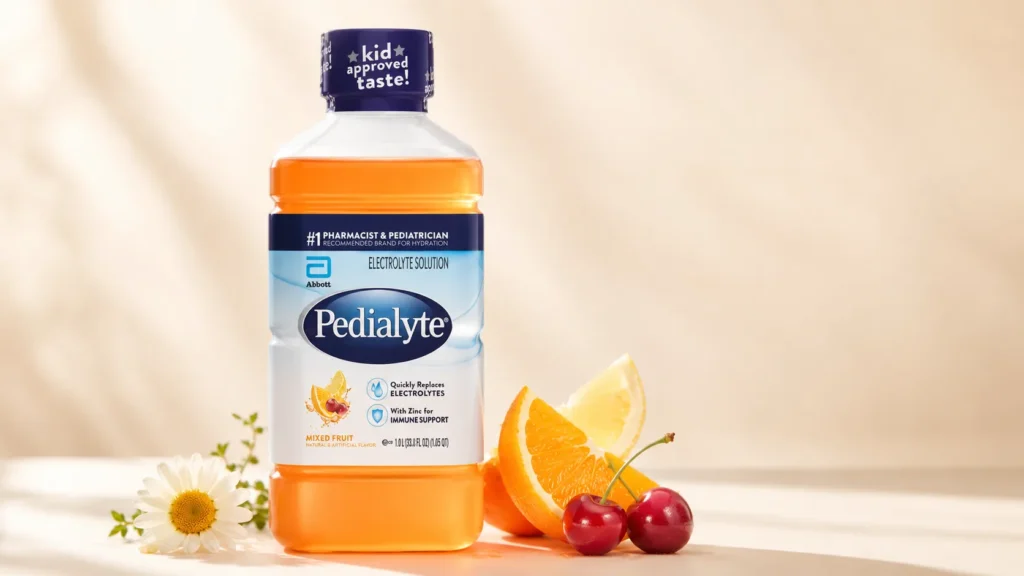
Best For: Severe morning sickness, clinical-grade rehydration, women needing pharmacist-accessible option
| Nutrient/Feature | Details |
|---|---|
| Sodium | ~370 mg |
| Potassium | ~280 mg |
| Chloride | ~440 mg |
| Zinc | Included |
| Sugar | ~9 g (glucose + dextrose – functional for SGLT1 absorption activation) |
| Artificial Sweeteners | No |
| FD&C Dyes | Unflavored version has no FD&C dyes |
| Availability | Medically recommended ORS – widely available at all pharmacies |
| Price | ~$0.40–$0.60/serving (liter format) |
For ORS for pregnant women with severe morning sickness, Pedialyte Unflavored remains the most clinically accessible and medically validated option available without a prescription. The formula was developed using WHO Oral Rehydration Solution science and has been used in clinical paediatric settings for over five decades. The same ORS absorption mechanism that rehydrates a dehydrated child applies directly to pregnancy-related fluid and electrolyte loss.
The unflavored version is specifically relevant for pregnancy nausea: it is neutral in taste, contains no artificial dyes, no artificial sweeteners, and no strong smells that might trigger a vomiting episode. For women whose nausea is so severe that the smell or taste of flavoured drinks is intolerable, Pedialyte Unflavored is often the only electrolyte product they can actually keep down.
We compared Pedialyte head-to-head against DripDrop on every key metric – sodium, magnesium, ingredients, and price – in our full DripDrop vs Pedialyte comparison. Worth a read if you are deciding between the two.
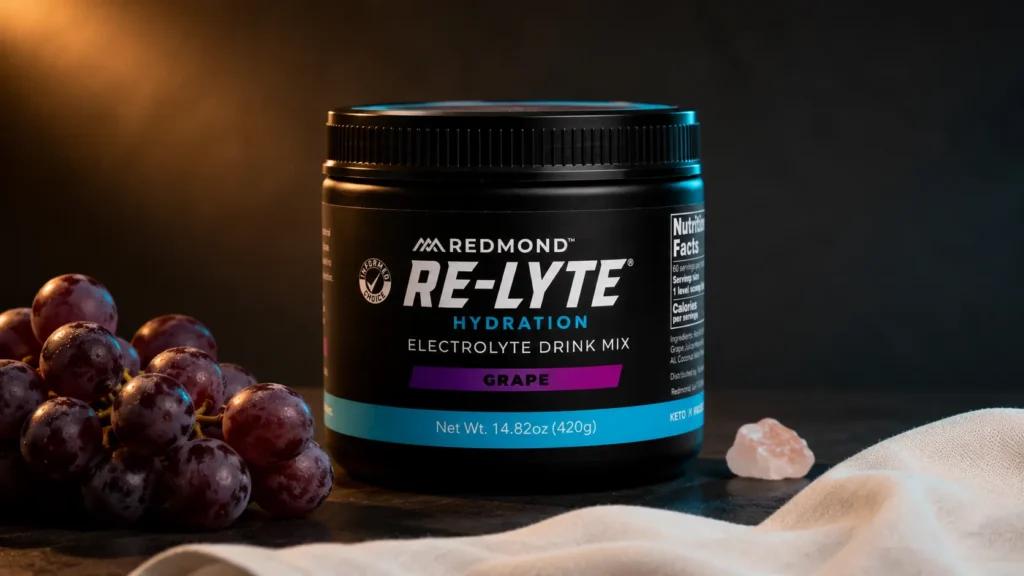
#5 – Redmond ReLyte Electrolyte Drink Mix
Best For: Clean mineral-first approach with real food sourcing and no synthetic additives
| Nutrient/Feature | Details |
|---|---|
| Sodium | 810 mg (from Real Salt – mined Redmond, Utah) |
| Potassium | 400 mg |
| Magnesium | 60 mg |
| Chloride | Included |
| Calcium | Included |
| Zinc | Included |
| Sugar | 0 g |
| Sweetener | Stevia |
| Artificial Dyes | No |
| Artificial Flavors | No |
| Price | ~$0.75–$1.00/serving |
| Availability | redmondlife.com and Amazon |
Redmond ReLyte is built around Redmond Real Salt – an ancient sea salt mined in Utah that contains 60+ trace minerals alongside sodium and chloride. For pregnant women who care about where their minerals come from and prefer whole-food or naturally sourced ingredients over synthetic mineral compounds, ReLyte offers something most competitors cannot: traceable, single-source mineral sourcing.
The formula delivers 810 mg of sodium, 400 mg of potassium – the highest potassium content on this list – and 60 mg of magnesium per serving. For electrolytes for pregnancy nausea related to repeated vomiting and potassium loss specifically, the 400 mg potassium per serving is a practical advantage.
Zero sugar, zero artificial dyes, zero artificial flavours. Stevia-sweetened, which is the safest mainstream sweetener option during pregnancy (no glycaemic impact, no aspartame). The mineral sourcing transparency is particularly valued by the natural-parenting community. Available online at redmondlife.com and through Amazon.
Note: The 810 mg of sodium per serving is on the higher end for daily use. For healthy pregnant women without hypertension this is not a concern – especially given the updated evidence supporting adequate sodium during pregnancy. For anyone with blood pressure concerns or a preeclampsia history, discuss with your OB before using a high-sodium product daily.
Ingredients to Avoid in Hydration Drinks for Pregnant Women
Not every electrolyte product is safe during pregnancy. Avoid these specific ingredients when selecting hydration drinks for pregnant women:
- Aspartame and saccharin: Both have documented safety concerns during pregnancy. Aspartame crosses the placenta; saccharin is associated with bladder issues in animal studies at high doses. Choose stevia or allulose as sweeteners.
- High-dose caffeine: ACOG recommends limiting caffeine to under 200 mg per day during pregnancy. Some electrolyte and energy drink hybrids contain 80–150 mg of caffeine per serving – enough to meaningfully contribute to that limit. Check labels carefully.
- Herbal additives: Products with adaptogens, herbal extracts, or botanical compounds (ashwagandha, ginseng, valerian, licorice root) should be avoided during pregnancy unless specifically approved by your healthcare provider. Many herbs have not been adequately studied in pregnancy contexts.
- Very high sodium (above 1,000 mg per serving): While sodium restriction is not broadly supported in pregnancy, products delivering 1,000 mg+ per serving (such as LMNT at 1,000 mg) should be used cautiously and discussed with your OB – particularly for women with any blood pressure concerns or family history of preeclampsia.
- FD&C artificial dyes: Red 40, Yellow 5, Yellow 6, and Blue 1 appear in some flavoured sports drinks and electrolyte products. Their safety during pregnancy has not been thoroughly studied. Stick to products with natural colouring or no colouring at all.
Practical Tips: Using Electrolytes for Pregnancy Nausea Day-to-Day
Getting the product right is only half the strategy. How you use it matters just as much.
- Sip, do not chug: Large volumes of fluid taken quickly can trigger vomiting in women with morning sickness. Aim for 4–6 oz of electrolyte drink every 15–20 minutes rather than drinking a full serving at once. Small, frequent sips are consistently easier to keep down.
- Temperature matters: Cold drinks can trigger nausea in some women; room temperature or slightly warm fluids are often better tolerated in the first trimester. The Seeking Health Optimal Electrolyte and Pedialyte Unflavored both work well at room temperature or mixed into warm water.
- Time it around symptoms: Many women find that nausea is worst in the morning and eases somewhat by midday. Taking a full serving of an ORS or electrolyte drink in the afternoon – when you can actually keep it down – is often more effective than forcing it during peak nausea hours.
- Eat before you drink: An empty stomach is typically more nausea-prone than one with something bland in it. A few crackers or dry toast before taking an electrolyte drink can make a significant difference in tolerability.
If you are also experiencing leg cramps alongside nausea – extremely common from the second trimester onward – our article on best electrolytes for leg cramps at night covers the magnesium and potassium combinations that address both symptoms simultaneously.
Use urine colour as your daily hydration check. Pale yellow means well-hydrated. Dark yellow or amber means drink more. Clear urine in large amounts may mean you are overhydrating with plain water without enough electrolytes – which can actually dilute sodium further and worsen symptoms temporarily.
Final Verdict: Best Electrolyte Drink for Pregnancy Nausea

Managing electrolytes for pregnancy nausea is not complicated – but it does require choosing the right product for your specific situation.
- Best overall (prenatal-formulated): Seeking Health Optimal Electrolyte – designed by a prenatal nutrition specialist, includes B6, magnesium malate, and appropriate mineral ratios. Most purposefully designed for the pregnant population.
- Best clean/organic approach: BUBS Naturals Hydrate Electrolytes – coconut water base, NSF certified, full-spectrum minerals, no artificial anything.
- Best for severe smell/flavour sensitivity: Pedialyte Unflavored – neutral taste, no dyes, medically proven ORS absorption. Available at every pharmacy without pre-ordering.
- Best natural DIY option: Coconut water + sea salt protocol – no additives, all-natural, widely available, easily prepared when a ready-made product is unavailable or intolerable.
- Best for potassium-specific loss from vomiting: Redmond ReLyte – highest potassium (400 mg) on this list, mineral-sourced from traceable real salt, zero artificial sweeteners or dyes.
Electrolytes for pregnancy are a genuine tool – not a wellness gimmick. When your body is building a human being and losing minerals every time morning sickness strikes, replacing them specifically and consistently is one of the most practical things you can do for your health and your baby’s development.
Frequently Asked Questions
Are electrolyte drinks safe during pregnancy?
Yes – most electrolyte drinks are safe during pregnancy when they are free from aspartame, high-dose caffeine, herbal additives, and artificial dyes. Hydration drinks for pregnant women that use stevia or allulose as sweeteners, contain balanced sodium, potassium, and magnesium, and have been third-party tested are the safest choices. Always confirm with your OB or midwife before starting any new supplement.
Can ORS be used for morning sickness?
Yes. ORS for pregnant women is a medically recommended intervention for morning sickness-related dehydration. Oral Rehydration Solutions are specifically designed to replace fluid, sodium, potassium, and glucose lost during vomiting episodes. Gynaecologists and obstetricians commonly recommend them for managing mild to moderate dehydration from morning sickness. For severe vomiting that prevents keeping anything down, seek medical evaluation.
How much fluid do pregnant women need daily?
The American College of Obstetricians and Gynecologists (ACOG) recommends 8–12 cups (approximately 1.9–2.8 litres) of fluid per day during pregnancy. Women experiencing morning sickness or vomiting should aim toward the higher end of this range to compensate for losses. Electrolytes help the body actually retain that fluid – drinking large volumes of plain water without adequate electrolytes is less effective at maintaining hydration than a smaller volume with electrolytes included.
Is LMNT safe to drink during pregnancy?
LMNT is generally clean in terms of ingredients – zero sugar, zero artificial sweeteners, zero dyes – and the magnesium malate form is well-absorbed. The concern during pregnancy is the sodium content: 1,000 mg per packet is high. While sodium restriction is not broadly supported in healthy pregnancy, a single packet delivering 43% of the standard daily upper limit warrants discussion with your OB before use – particularly if you have any blood pressure concerns. Many pregnant women use LMNT at half-packet doses to get the mineral benefit with a more moderate sodium load.
What is the best time to take electrolytes for pregnancy nausea?
The best time is when you can actually keep them down – which for most women with morning sickness is midday to early afternoon, after the peak nausea window has passed. Taking a serving before bed helps maintain overnight electrolyte levels. The second most effective time is immediately after a vomiting episode – when your body has just lost sodium, potassium, and chloride – if you can tolerate fluid intake at that point. Sipping slowly is always more effective than drinking quickly after vomiting.
Can electrolyte drinks help with hyperemesis gravidarum, or is it too severe for oral products?
For mild to moderate hyperemesis gravidarum (HG), ORS-based electrolyte drinks like Pedialyte Unflavored can provide meaningful support between vomiting episodes – particularly when sipped in very small amounts (2-3 oz at a time) rather than consumed as a full serving. The goal in HG is not to achieve full hydration through oral fluids alone, but to extend the gap between IV interventions and reduce how quickly the body’s electrolyte levels fall between medical visits. For severe HG where nothing stays down for more than a few hours, oral products are insufficient and intravenous rehydration is required. Electrolyte drinks serve as a supportive tool alongside medical treatment, not a replacement for it.
Do electrolytes help with pregnancy-related leg cramps, not just nausea?
Yes – and the two problems often share the same root cause. Pregnancy leg cramps are primarily driven by low magnesium and potassium, both of which are depleted through repeated vomiting during morning sickness. Electrolyte drinks that include magnesium (particularly magnesium malate or citrate) and potassium address both symptoms simultaneously. Seeking Health Optimal Electrolyte and Redmond ReLyte – both featured in this article – provide meaningful amounts of both minerals per serving. If nighttime leg cramps are happening alongside morning nausea, choosing an electrolyte product with strong magnesium and potassium coverage is the most practical way to address both issues with a single daily supplement.
Is coconut water alone enough to replace electrolytes lost from morning sickness vomiting?
Coconut water alone is not quite sufficient as a standalone electrolyte replacement after vomiting episodes, though it is far better than plain water. One cup of coconut water provides approximately 600 mg of potassium and 252 mg of sodium – the potassium coverage is strong, but the sodium is lower than what an ORS formula targets for effective rehydration after fluid loss. Adding a small pinch of sea salt (roughly a quarter teaspoon) closes that sodium gap and brings the profile closer to clinical ORS standards. For women whose smell sensitivity makes commercial products intolerable, the coconut water plus sea salt combination covered in this article is the most practical natural alternative – but plain coconut water by itself falls short on sodium for active rehydration after vomiting.
Can drinking electrolytes during pregnancy affect the baby’s sodium or mineral levels?
Electrolytes consumed by the mother in normal dietary amounts do not directly or adversely affect the baby’s mineral balance when intake stays within reasonable ranges. The placenta regulates mineral transfer to the fetus based on developmental need, not simply mirroring maternal blood levels. Adequate maternal sodium and potassium actually support healthy amniotic fluid levels and fetal nerve and muscle development. The risk scenario is not normal electrolyte use – it is chronic severe deficiency from inadequate intake or prolonged vomiting without any replacement, which can reduce amniotic fluid volume and deprive the baby of minerals needed for bone and nerve formation. Using a pregnancy-appropriate electrolyte drink as directed actively supports rather than disrupts that process.
Can you use electrolyte drinks in the third trimester, or are they mainly for first trimester nausea?
Electrolytes remain relevant and beneficial throughout all three trimesters, not just the first. Third trimester needs shift somewhat – morning sickness typically eases, but blood volume reaches its peak expansion (45-55% above baseline), increasing overall fluid and mineral demands. Leg cramps, swelling, and fatigue are common third trimester symptoms that often reflect magnesium and potassium gaps rather than hydration with plain water. Heat tolerance also decreases in late pregnancy, making sodium replacement through an electrolyte drink more important during warmer months. The same products recommended here for morning sickness are appropriate for continued use through the second and third trimesters – the dosing rationale simply shifts from replacing vomiting losses to supporting expanded blood volume and managing late-pregnancy mineral demands.
This article contains affiliate links. If you purchase through our links, we may earn a commission at no extra cost to you. We only recommend products we genuinely believe in. Read our Affiliate Disclaimer for full details.