
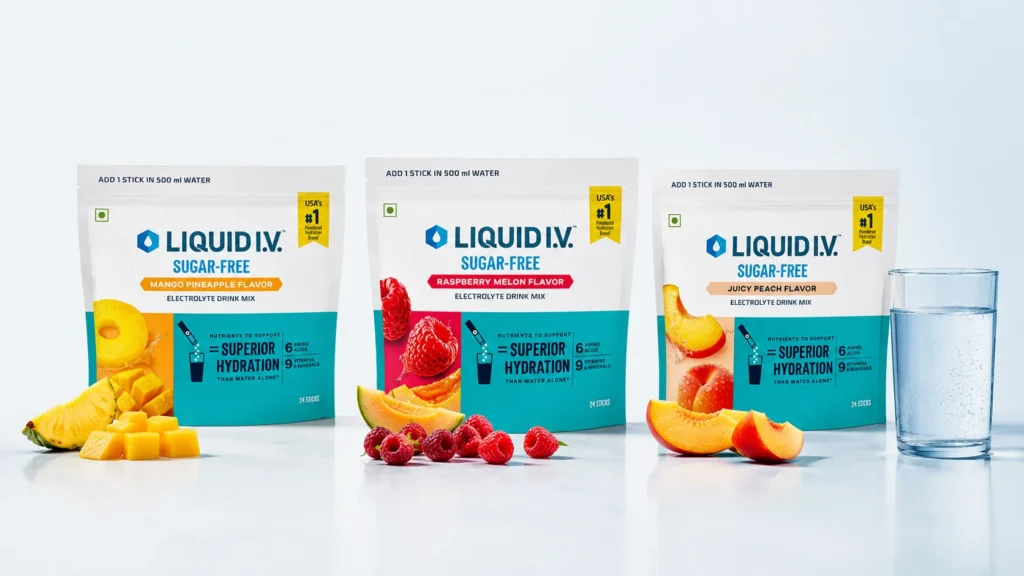
Is Liquid IV bad for kidneys? For most healthy adults using it occasionally as directed, there is no clear evidence that Liquid I.V. inherently damages healthy kidneys. However, its sodium, potassium, sugar, and vitamin content may be inappropriate for some people with kidney disease, high blood pressure, diabetes, fluid restrictions, or certain medications. Those readers should consult their healthcare professional.
Table of Contents
Here is the direct answer: for most healthy adults, Liquid IV is not bad for your kidneys. Proper hydration – which Liquid IV supports – actually protects kidney function. The complications arise in specific circumstances: chronic kidney disease, high blood pressure, diabetes, or regular overconsumption that pushes daily sodium intake beyond what the kidneys can comfortably handle.
This article gives you the full picture – what Liquid IV actually contains, how kidneys process electrolytes, who genuinely needs to be cautious, and whether electrolytes are good or harmful for kidney health in general. No vague reassurances, no unnecessary alarm – just what the evidence actually shows.
What Liquid IV Contains – and Why It Matters for Kidneys
Liquid IV Hydration Multiplier uses Cellular Transport Technology (CTT) – a formulation strategy based on WHO Oral Rehydration Solution science – to accelerate water absorption through the sodium-glucose cotransport mechanism (SGLT1) in the small intestine. Each standard packet contains:
- Sodium: 510–560 mg (approximately 22% of daily recommended value)
- Potassium: 370 mg
- Vitamin C: 70% DV
- B Vitamins: B3 (120% DV), B5 (190% DV), B6 (110% DV), B12 (240% DV)
- Sugar: 11 g (cane sugar + dextrose)
- Calories: 45–50 per packet
Three of those ingredients are the ones worth examining for kidney health: sodium, potassium, and sugar. The kidneys are directly responsible for regulating all three in the blood. Understanding how the kidneys handle each one is the key to answering whether Liquid IV is bad for your kidneys in any meaningful sense.
How Healthy Kidneys Handle Electrolytes
The kidneys are extraordinarily capable organs. In a healthy adult, they filter approximately 180 litres of blood per day, adjusting electrolyte output dynamically based on intake. When you consume extra sodium, healthy kidneys simply excrete the excess in urine. When potassium rises after a meal or a drink, the kidneys regulate it back to normal within hours.
So are electrolytes good for kidneys in general? Yes – with an important qualifier. Electrolytes in appropriate amounts help the kidneys do their job. Proper sodium and potassium levels maintain blood pressure within the range that allows the kidneys to filter blood effectively. Adequate hydration – which electrolytes support by improving water absorption – keeps urine dilute, which reduces kidney stone risk and helps flush waste products.
A 2020 study of agricultural workers in Guatemala found that daily electrolyte beverage consumption helped maintain kidney function during heat exposure. Workers who did not adequately replace electrolytes developed lower sodium levels and showed markers of kidney stress. This is a meaningful real-world data point: electrolyte drinks, used appropriately, support rather than harm healthy kidney function.
The broader relationship between hydration, electrolytes, and physical performance is something we cover in detail in our Gatorlyte vs Liquid IV comparison – which also covers which product delivers a more complete electrolyte profile for daily use.
Who Needs to Be Careful: Specific Risk Profiles
The honest answer to ‘is Liquid IV bad for kidneys’ is not the same for every person. For some groups, the standard formula genuinely warrants caution or avoidance. Here is who falls into that category and why.
People with Chronic Kidney Disease (CKD)
This is the most important group. Chronic kidney disease impairs the kidneys’ ability to filter and excrete electrolytes at normal rates. When filtration is compromised, sodium and potassium can accumulate in the blood instead of being efficiently removed. Elevated potassium (hyperkalemia) is one of the most serious complications of CKD – it can cause cardiac arrhythmias and, in severe cases, cardiac arrest.
Liquid IV’s 370 mg of potassium per packet is not dangerous for healthy kidneys – they handle that amount without difficulty. For a person with stage 3–5 CKD, however, that same 370 mg represents a meaningful potassium load that their kidneys may not clear efficiently. Is Liquid IV safe for kidney health in people with CKD? The clinical answer is: only under medical supervision, and often not at all in advanced stages. People with CKD typically follow low-potassium and low-sodium dietary restrictions that a product like Liquid IV directly conflicts with.
People with High Blood Pressure
Liquid IV delivers 510–560 mg of sodium per packet – about 22% of the standard daily upper limit. That is meaningful for someone already managing hypertension. High sodium intake elevates blood pressure by increasing fluid retention, which forces the heart to work harder and puts added mechanical stress on the kidney’s filtering units (glomeruli). Over time, uncontrolled hypertension is one of the leading causes of kidney disease.
Using Liquid IV once after a hard workout is unlikely to significantly affect blood pressure. Using one or two packets daily as a hydration habit, on top of a sodium-containing diet, can push total daily sodium intake meaningfully higher than what blood pressure management guidelines recommend. Is liquid IV bad for your kidneys if you have hypertension? Not categorically – but it deserves scrutiny, a conversation with a doctor, and consideration of lower-sodium alternatives.
People with Diabetes
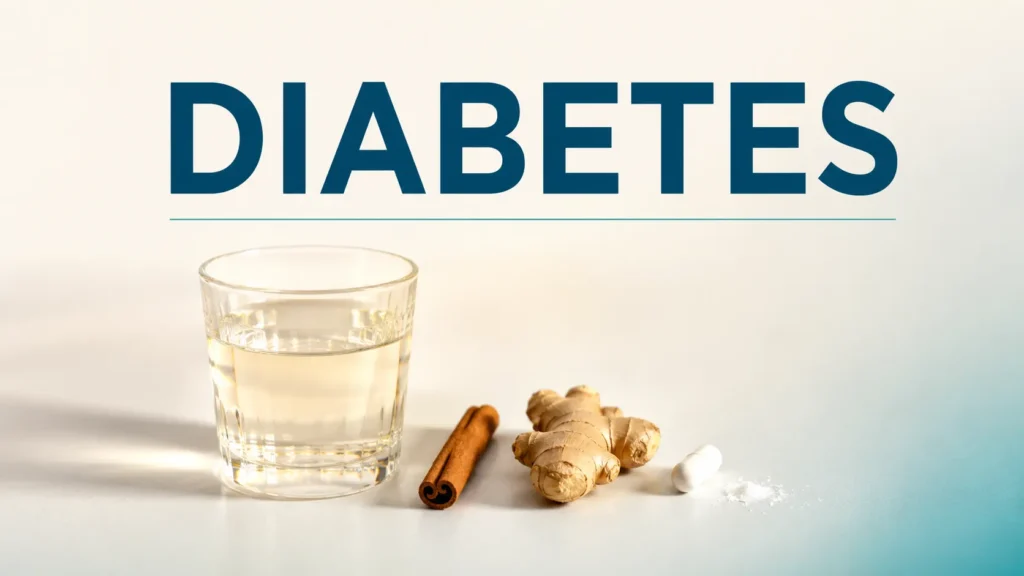
Each standard Liquid IV packet contains 11 g of sugar (cane sugar plus dextrose). For most people, this is not a significant concern. For people with poorly controlled diabetes, however, consistently elevated blood sugar damages the small blood vessels inside the kidneys – a process called diabetic nephropathy, which is the leading cause of kidney failure in the United States.
The concern is not a single packet causing immediate damage – it is the cumulative effect of regular sugar intake in a context where blood sugar regulation is already impaired. Are all fluids bad for the kidney in diabetic individuals? Not at all – but fluids with added glucose require monitoring. The Sugar-Free version of Liquid IV, which uses allulose instead of cane sugar, eliminates this specific concern and is a more appropriate option for diabetic users.
People Who Overuse Liquid IV
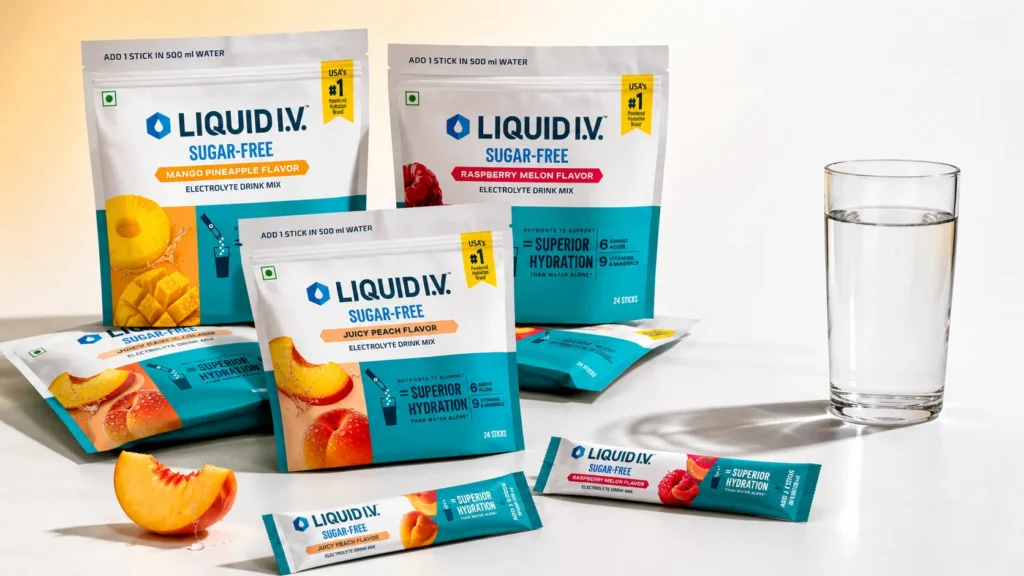
Even with healthy kidneys, using three or more packets per day consistently pushes total daily sodium intake significantly above recommended levels. The kidneys can handle the excess – but they work harder to do so, and chronically elevated sodium intake raises blood pressure over time even in initially normotensive individuals. The recommended usage is one packet per day. Following that guidance eliminates the overuse risk for healthy adults.
Medical Disclaimer:
The information in this article is for educational purposes only and does not constitute medical advice. If you have chronic kidney disease, diabetes, hypertension, or any other condition that affects kidney function, consult your nephrologist or primary care physician before using Liquid IV or any electrolyte product regularly.
Are Electrolytes Good For Kidneys? The Broader Picture
Stepping back from Liquid IV specifically: are electrolytes good for kidneys as a general principle?
For healthy individuals, yes. The kidneys depend on stable electrolyte balance to function properly. Sodium regulates blood pressure and fluid volume – the basic conditions under which the kidneys filter blood. Potassium helps counteract sodium’s blood pressure-raising effects and reduces the kidney’s workload when dietary potassium is adequate. Magnesium plays a role in reducing kidney stone formation by binding to oxalate in the gut before it reaches the kidneys.
The well-documented danger to kidneys is not electrolytes – it is chronic dehydration. Research consistently links inadequate daily fluid intake to higher rates of kidney stone formation, urinary tract infections, and accelerated chronic kidney disease progression. Electrolyte drinks that improve hydration compliance – by making water more palatable, by replacing minerals lost through sweat, or by speeding absorption during illness – directly support kidney health for the vast majority of users.
Are all fluids bad for the kidney? No – that framing gets the biology backwards. The kidneys need adequate fluid to function. The nuance is that fluid with appropriate electrolyte balance is more effective than plain water alone at maintaining kidney-supportive hydration, and that fluids with excessive sodium, sugar, or potassium can become counterproductive for people with specific kidney or metabolic conditions.
Is Liquid IV safe for kidney health in the population that actually uses it? For healthy adults using it as directed – one packet per day, during or after exercise, illness recovery, or travel – the answer is yes. The product supports hydration, and proper hydration protects kidneys.
Can Liquid IV Cause Kidney Stones?
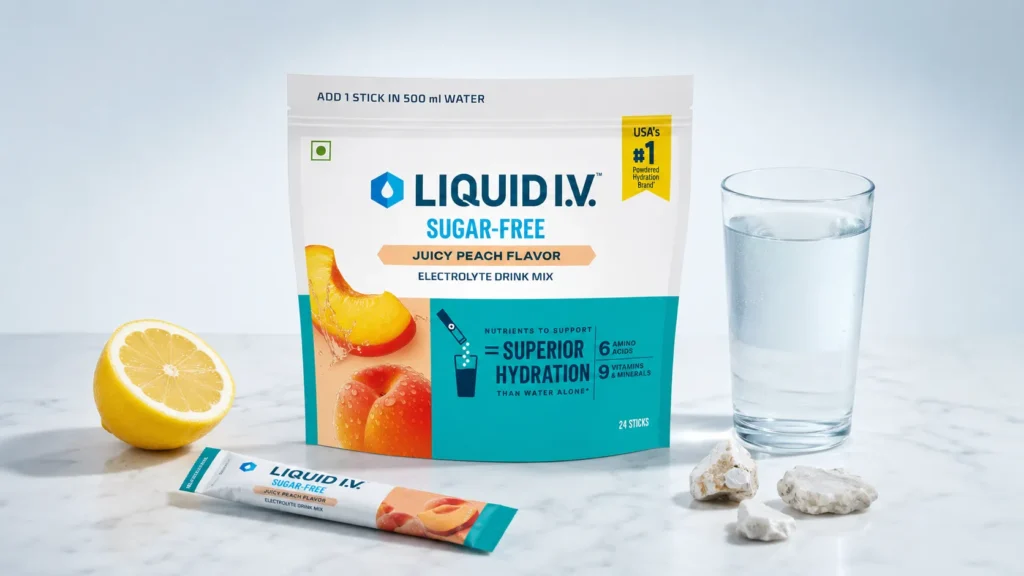
This is a more specific concern that comes up frequently – and it deserves a direct, evidence-based answer.
Liquid IV contains three ingredients that, in excess, are associated with elevated kidney stone risk: sodium, added sugar, and Vitamin C. Here is how each connects to stone formation.
High sodium intake increases urinary calcium excretion. Elevated calcium in urine is the most common biochemical risk factor for calcium oxalate stones – the most prevalent type of kidney stone. Since many people already exceed recommended daily sodium through food alone, adding 510–560 mg from a daily Liquid IV packet compounds that excess.
Dietary sugar – particularly fructose – increases urinary calcium and uric acid levels, both of which raise kidney stone risk. The 11 g of sugar in standard Liquid IV is not extreme, but it contributes to total daily intake.
Liquid IV contains approximately 70% of the daily value of Vitamin C per packet. In very high doses, Vitamin C (ascorbic acid) converts to oxalate in the body. Oxalate is a primary component of the most common kidney stone type. At the dose in Liquid IV, this conversion is modest and not a significant concern for most people. For individuals with a documented history of calcium oxalate stones, however, any consistent additional oxalate source warrants consideration.
Is liquid IV bad for your kidneys specifically in terms of stone formation? For the general population, no – the ingredient amounts are within ranges that healthy kidneys handle without stone formation. For people with a documented history of kidney stones or known hypercalciuria (elevated urinary calcium), monitoring total sodium and Vitamin C intake from all sources – including Liquid IV – is sensible.
If you are looking for an electrolyte alternative with lower sodium and no added sugar, our article on Ultima vs LMNT covers two zero-sugar products with different sodium profiles – useful context for anyone managing sodium-related kidney concerns.
Lower-Risk Alternatives for Kidney-Conscious Users
If you want the hydration benefits of an electrolyte drink but are concerned about Liquid IV’s sodium or sugar content, several alternatives reduce one or both of those variables.
• Ultima Replenisher: Zero sugar, zero calories, 55 mg sodium per packet. The lowest sodium electrolyte on the mainstream market. Six-electrolyte formula including 100 mg magnesium citrate. For anyone managing blood pressure or kidney concerns who still wants daily electrolyte support, Ultima’s minimal sodium load is the most appropriate starting point.
• Liquid IV Sugar-Free: Replaces the 11 g of cane sugar with allulose – a low-calorie sugar that does not raise blood sugar or insulin meaningfully. Retains the CTT absorption mechanism. Same sodium content as the original, but eliminates the sugar-related kidney stone and diabetic risk factors. A meaningful upgrade for regular users.
• Buoy Hydration Drops: Unflavoured, unsweetened liquid electrolyte drops derived from sea salt. Zero sugar, zero artificial sweeteners, zero additives. For anyone with extreme ingredient sensitivity or medical conditions requiring the cleanest possible electrolyte source, Buoy provides electrolytes without any of the variables that create kidney concerns.
Coconut water is another natural option – approximately 600 mg potassium and 250 mg sodium per cup, no additives, naturally occurring minerals. Lower electrolyte concentration than any formulated product but appropriate for mild hydration maintenance throughout the day.
We compared the full electrolyte profiles of these types of products in our roundup of the best electrolytes for leg cramps at night – which ranks products by magnesium, potassium, and sodium content with clinical context.
Final Verdict: Is Liquid IV Bad for Kidneys?
For healthy adults using one packet per day as directed, Liquid IV is not bad for your kidneys. The sodium and potassium amounts are within ranges that healthy kidneys handle comfortably. The product supports hydration, and proper hydration actively protects kidney function.
For specific groups – people with chronic kidney disease, uncontrolled hypertension, diabetes, or a history of kidney stones – the answer is more nuanced. The sodium content, sugar load, and potassium levels in the standard formula can create concerns that do not exist for healthy users. Those individuals should speak with their doctor before using Liquid IV regularly, and may find lower-sodium or zero-sugar alternatives more appropriate for their situation.
Is Liquid IV safe for kidney health across the board? Yes for healthy people. Conditionally for those with pre-existing conditions. The product is not inherently harmful – but it is also not one-size-fits-all, and the populations where caution applies are large enough that this question deserves a clear, direct answer rather than a blanket reassurance.
The practical takeaway: read your own health context. If your kidneys are healthy and you use Liquid IV occasionally for workouts, travel, or illness recovery, you have no reason to worry. If you have a condition that affects kidney function, electrolyte handling, or blood pressure – talk to your doctor first.
Frequently Asked Questions
Is Liquid IV safe for kidney health in people with stage 3 CKD?
People with stage 3 or higher chronic kidney disease should not use Liquid IV without explicit medical guidance. At stage 3 CKD, the kidneys’ ability to filter and excrete potassium and sodium is impaired. The potassium content (370 mg per packet) and sodium content (510–560 mg) may exceed what their kidneys can safely process. Nephrologists typically prescribe low-potassium, low-sodium diets for CKD patients that most commercial electrolyte products – including Liquid IV – conflict with.
Can I drink Liquid IV every day without harming my kidneys?
For healthy adults, yes – one packet per day is within safe parameters. The sodium and potassium levels are within ranges that healthy kidneys regulate without difficulty. The concern arises with consistent overconsumption (two or more packets daily) or in individuals with underlying conditions that affect kidney function. Stick to one packet per day and maintain a varied, balanced diet to avoid pushing total sodium intake into problematic ranges.
Does Liquid IV cause kidney stones?
For most people, no. The sodium, sugar, and Vitamin C in Liquid IV are all associated with kidney stone risk factors at high doses – but at the amounts in a single packet, they are within ranges that healthy kidneys manage without stone formation. For individuals with a documented history of calcium oxalate kidney stones or known hypercalciuria, consistent use warrants monitoring of total daily sodium and Vitamin C intake from all sources.
Are electrolytes good for kidneys during intense exercise?
Yes. During intense exercise, electrolyte loss through sweat – particularly sodium and potassium – can create imbalances that stress kidney function if left unreplaced. Replacing those minerals supports normal kidney filtration during and after physical activity. A 2020 study of agricultural workers in hot conditions found that electrolyte drinks helped maintain kidney function markers that declined in workers without adequate electrolyte replacement.
Are all fluids bad for the kidney, or just certain types?
Most fluids are beneficial for kidney health – the kidneys need adequate fluid volume to filter blood efficiently. The exceptions are fluids with very high sugar content (which contribute to diabetic nephropathy risk over time), very high sodium (which elevates blood pressure and kidney filtration pressure), and for CKD patients, fluids high in potassium or phosphorus. Plain water, herbal teas, and low-sodium electrolyte drinks are among the most kidney-friendly fluid choices. Alcohol and very high-sugar drinks are the ones that genuinely put kidneys under unnecessary strain with regular use.
Is Liquid IV Sugar-Free better for kidneys than the original?
For most users, yes – the Sugar-Free version is the more kidney-conscious choice. It replaces the 11 g of cane sugar and dextrose with allulose, a low-calorie sugar that does not meaningfully raise blood sugar or insulin. Since dietary sugar elevates urinary calcium and uric acid levels – both of which are associated with kidney stone risk – eliminating it reduces that specific concern. The sodium and potassium content remain identical to the original, so anyone managing those variables still needs to apply the same caution. But for diabetic users or people with a history of calcium oxalate stones, the Sugar-Free version removes one of the three ingredient categories that warrant scrutiny.
Can Liquid IV affect kidney function if you drink it on an empty stomach?
For healthy adults, drinking Liquid IV on an empty stomach does not create any additional kidney risk compared to taking it with food. The sodium-glucose cotransport mechanism that drives Liquid IV’s absorption actually works efficiently in a fasted state – which is partly why it is popular for morning hydration routines. The kidney considerations around Liquid IV are about cumulative daily intake of sodium and potassium, not timing. The one caveat applies to diabetic users – the 11 g of sugar on an empty stomach will raise blood glucose more sharply than it would alongside a meal, which has indirect long-term kidney implications for those with poorly controlled blood sugar.
Is Liquid IV safe to use during a kidney infection or UTI?
Staying well hydrated is one of the most consistently recommended strategies for supporting recovery during a urinary tract infection – it helps flush bacteria from the urinary tract. For most healthy adults without underlying kidney disease, using Liquid IV to maintain hydration during a UTI or mild kidney infection is unlikely to cause harm. The concern arises if the infection has progressed to involve significant kidney impairment, in which case the kidneys’ ability to manage electrolyte levels may be temporarily compromised. If you have been diagnosed with a kidney infection (pyelonephritis) rather than a lower UTI, speaking with your doctor about fluid and electrolyte intake during treatment is the safer course.
Does Liquid IV put more strain on kidneys than plain water?
For healthy kidneys, no – and in some ways Liquid IV may reduce kidney workload compared to drinking excessive plain water. Drinking very large volumes of plain water without electrolyte replacement can dilute blood sodium levels, a condition called hyponatremia, which actually forces the kidneys to work harder to restore electrolyte balance. Liquid IV’s sodium content helps maintain osmotic balance, meaning the fluid consumed is retained and utilized more efficiently rather than being rapidly excreted. The kidneys process the sodium and potassium in each packet without meaningful additional effort. Strain only becomes relevant in the populations already discussed – CKD, uncontrolled hypertension, and advanced diabetes.
How does Liquid IV compare to DripDrop for kidney health?
Both products use an ORS-based formulation and deliver similar sodium ranges – DripDrop provides approximately 330 mg of sodium per packet versus Liquid IV’s 510-560 mg, making DripDrop the lower-sodium option between the two. DripDrop also contains 7 g of sugar versus Liquid IV’s 11 g. For kidney-conscious users primarily concerned about sodium load, DripDrop’s lower sodium content makes it a more moderate choice. However, both products are formulated for healthy adults and carry the same fundamental caution for people with CKD, hypertension, or diabetes. Neither is a medical-grade kidney support product – they are hydration tools that work within normal kidney function parameters.
This article contains affiliate links. If you purchase through our links, we may earn a commission at no extra cost to you. We only recommend products we genuinely believe in. Read our Affiliate Disclaimer for full details.